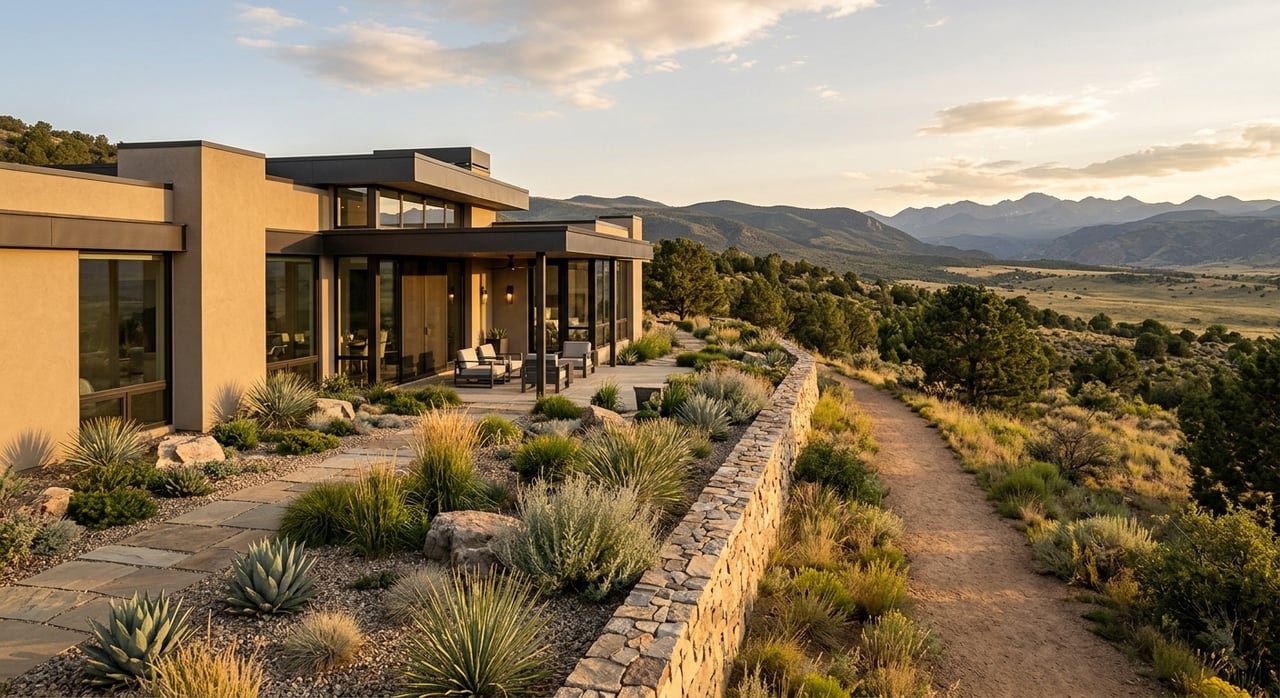
Redlands CO Living Near the Monument: Lifestyle Guide
July 16, 2026
July 16, 2026
If you picture life in Redlands as being close to red rock views, trailheads, and river access, you are not far off. This part of the Grand Valley offers a daily rhythm shaped more by outdoor recreation and open space than by a traditional downtown setting. If you are thinking about buying near the monument, it helps to know what everyday life really looks like, from getting around to housing character to weekend routines. Let’s dive in.
Living in Redlands near Colorado National Monument means outdoor access is part of your normal routine, not just a special occasion. The monument borders the Grand Junction and Fruita area, stays open year-round, and includes Rim Rock Drive plus 14 hiking trails and routes. The broader Redlands area is also closely tied to public land, trailheads, and routes leading toward monument backcountry access.
That setting gives Redlands a distinct feel. Instead of centering around a dense main street, the area tends to feel organized around roads, neighborhoods, open land, and recreation points. For many buyers, that is a major part of the appeal.
Your day-to-day experience in Redlands is often more car-based than walkable, but it comes with quick access to some of the valley’s standout outdoor amenities. You may head out for a morning walk, bike ride, or river stop without needing to plan a full day around it. That convenience is one of the clearest lifestyle advantages of this area.
At the same time, it is helpful to set realistic expectations. Colorado National Monument is a recreation destination, not a practical shortcut for commuting across town. The National Park Service notes that the monument is not served by public transportation, and Rim Rock Drive includes steep drop-offs, sharp turns, no shoulders, and tunnels with a 16-foot height restriction.
In other words, you are living near a scenic asset rather than using it as part of your everyday transportation network. Most residents treat it as a place for hikes, drives, and weekend outings, not a regular through-route.
One of the strongest reasons people choose Redlands is the trail network. In 2025, the Monument Trail was completed as a three-mile paved connection that the City of Grand Junction says serves as the backbone of a 10-mile Redlands Loop. That loop connects Monument Road, South Camp, Connected Lakes, the Audubon Preserve, the Riverfront, and nearby neighborhoods.
This matters because it broadens the way you can use the area. The city says the route was designed for walkers, runners, bikers, families with strollers, and commuters. That gives Redlands a more connected feel for recreation and local movement, even though the area remains largely car-first overall.
If you like a mix of surfaces and difficulty levels, Redlands gives you options nearby. The paved Monument Trail and linked routes support casual rides, walks, and family outings. For buyers who want more rugged terrain, nearby trail systems expand the menu.
There is one important detail to know. Off-road biking is not allowed inside Colorado National Monument, but the National Park Service points riders toward nearby Lunch Loops and McInnis Canyons. That makes Redlands especially attractive if you want both easy paved access and more technical riding options close to home.
The Redlands lifestyle is not just about the monument. River recreation is also part of the picture, and that gives the area year-round appeal for many residents. Mesa County’s One Riverfront Trail System follows the Colorado and Gunnison rivers and connects Grand Junction, Fruita, and Palisade.
That network supports biking, walking, fishing, birding, and jogging. The Connected Lakes section adds more variety with trails, accessible fishing piers, paddle sports, picnicking, bird watching, and a boat ramp for Colorado River access.
You also have another access point nearby at the Redlands Parkway Boat Ramp. For buyers who value quick launch points for paddling or easy river access after work or on weekends, that is a practical benefit that can shape how often you actually use the river.
If your ideal routine includes golf or quieter open space, Redlands checks those boxes too. Tiara Rado Golf Course sits at the base of Colorado National Monument and includes an 18-hole course, driving range, pro shop, and food-and-beverage service. Its location adds to the area’s scenic identity.
Kindred Reserve adds another option for low-key outdoor time close to home. The city describes it as a 37-acre open space park with 1.75 miles of dirt trails and views of the monument, Grand Mesa, and the Book Cliffs. For many buyers, places like this help define the pace of everyday life in Redlands.
From a housing perspective, Redlands has long been associated with lower-density residential living. The Redlands Area Plan found that detached single-family homes were the predominant housing type, with multifamily housing making up less than 10 percent of the area’s 2001 housing stock. While that is older planning data, it still helps explain the area’s built character.
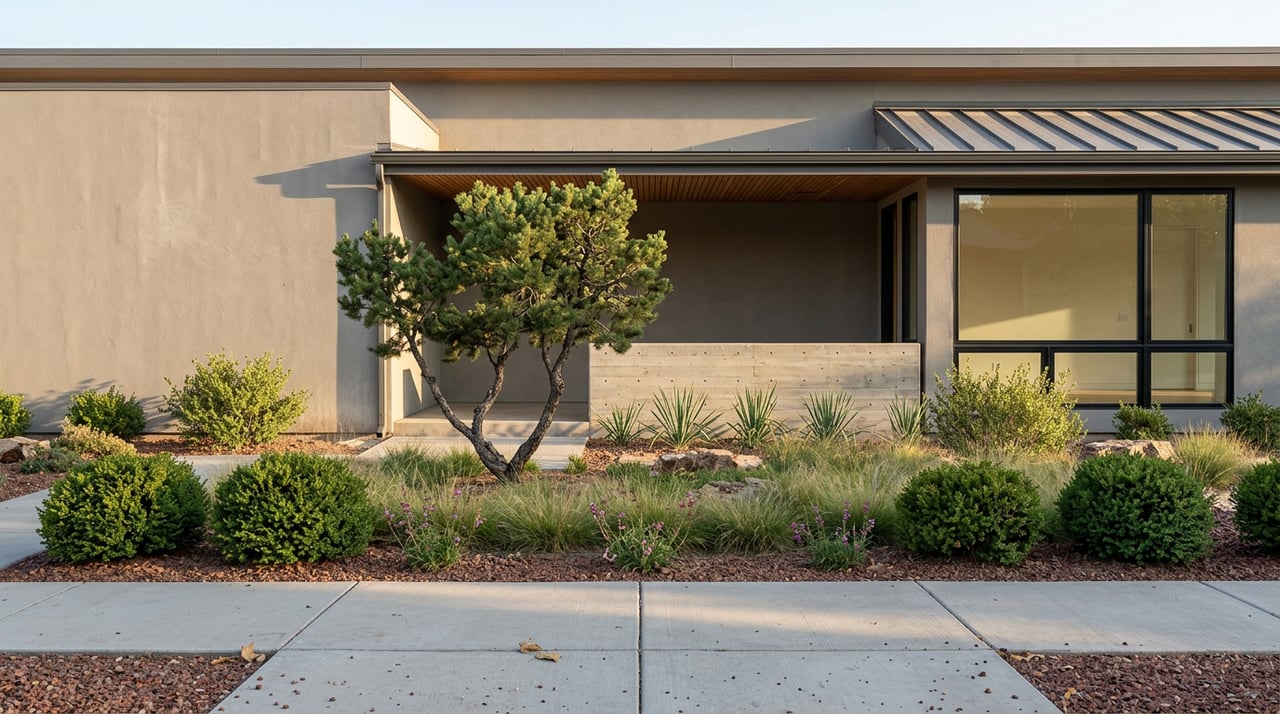
In practical terms, much of Redlands still reads as primarily residential with more space between uses than you would expect in a denser urban neighborhood. That can appeal to buyers who want a setting that feels more open and less compressed.
Even so, Redlands is not entirely uniform. More recent planning records for Redlands Mesa Phase 2 described 57 single-family lots and 20 courtyard homes. The Redlands 360 project is also expected to include more than 1,300 homes at full buildout.
That suggests buyers may see a wider range of home settings over time, especially in planned development areas. The overall character still leans low-density, but newer projects are adding more variety in lot size and home type.
If you move to Redlands, you should expect a car-first routine for most errands and daily travel. That is one of the clearest tradeoffs in exchange for monument access, trail connections, river recreation, and open views. For many buyers, it is a worthwhile trade.
Transit does exist on valley corridors. Grand Valley Transit serves Grand Junction, Palisade, and Fruita on fixed routes Monday through Saturday, and Route 11 includes a stop at Power Road and Safeway as well as the downtown transfer facility. Depending on where you live and work, that can be useful for some errands and commuting patterns.
Road infrastructure is also evolving as the area grows. In 2026, the City of Grand Junction announced construction of a new roundabout at Broadway, also known as Highway 340, and 23 Road, along with reconstruction of 23 Road south to the Redlands 360 development entrance. The city said the project is meant to improve safety, visibility, and traffic flow.
For buyers, that is a useful signal. It shows that Redlands is not static and that transportation planning is responding to long-term growth in the area.
Redlands near the monument often makes the most sense if you want your home base to support an outdoor-oriented lifestyle. You may be a good fit for this area if you value trail access, scenic drives, river recreation, golf, and proximity to open space. Those features are woven into everyday life here.
It may be less ideal if your top priority is a highly walkable neighborhood centered on shops, services, and a traditional downtown pattern. Redlands offers a different type of convenience. It is convenience tied to recreation, views, and access to the landscape.
Before buying in Redlands, it helps to look beyond photos and map pins. Think about how you actually want to spend your time during the week and on weekends. In this area, location value often comes from how easily you can reach trails, river access points, golf, and open space.
It is also smart to weigh the practical side of the setting. Scenic access is a major strength, but transportation patterns are still largely vehicle-based, and the monument itself is best viewed as a recreational asset rather than a commuting route. When you understand that balance, you can make a more informed decision about whether Redlands matches your lifestyle goals.
If you are weighing a move in Redlands or comparing locations across the Grand Valley, working with a local team that understands both lifestyle factors and property value can help you make a more confident decision. Connect with the S.U.R.E Team for clear, local guidance on buying or selling in Western Colorado.
Stay up to date on the latest real estate trends.
Whether you are looking for business acquisitions, commercial investment or your dream home in Mesa County or surrounding areas, we’re here to help you move forward with clarity and confidence.