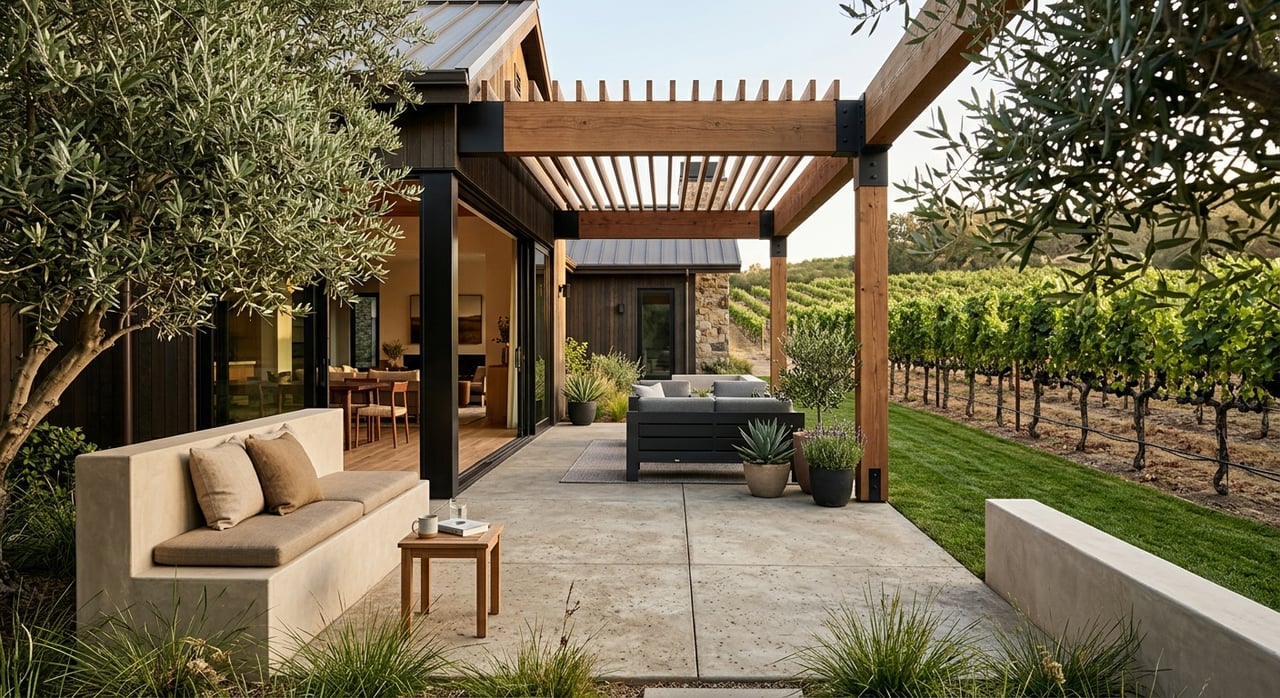
How Views Shape Orchard Mesa Home Values
July 9, 2026
July 9, 2026
What makes one Orchard Mesa home feel clearly more valuable than another, even when the square footage looks similar on paper? In this part of Mesa County, the answer often comes down to something bigger than the house itself: views, lot position, and how the land works. If you are buying or selling in Orchard Mesa, understanding how those factors shape value can help you price more accurately, compare homes more intelligently, and spot tradeoffs that are easy to miss at first glance. Let’s dive in.
Orchard Mesa has a setting that naturally affects home value. The Orchard Mesa Neighborhood Plan notes that many neighborhoods benefit from views of the Grand Mesa, the Bookcliffs, and Colorado National Monument, while the area also includes parts of the Colorado and Gunnison River floodplains.
That mix is a big reason Orchard Mesa does not behave like a one-size-fits-all market. USGS describes the Orchard Mesa irrigation district as land on a high bench south of the Colorado River, and Colorado State University places its Orchard Mesa research site about 7 miles southeast of Grand Junction at roughly 4,750 feet. In practical terms, that means elevation, sightlines, drainage, and access can vary meaningfully from one property to the next.
Views are not just a nice extra. They are a real valuation factor. Fannie Mae says appraisals consider both property characteristics and external factors like location and market trends, and it specifically includes location and views among the characteristics appraisers evaluate.
HUD valuation guidance also says an appraiser should describe the view and identify whether it has a significant positive or negative effect on value. That matters in Orchard Mesa, where two nearby homes can offer very different outlooks depending on bench position, neighboring structures, and lot orientation.
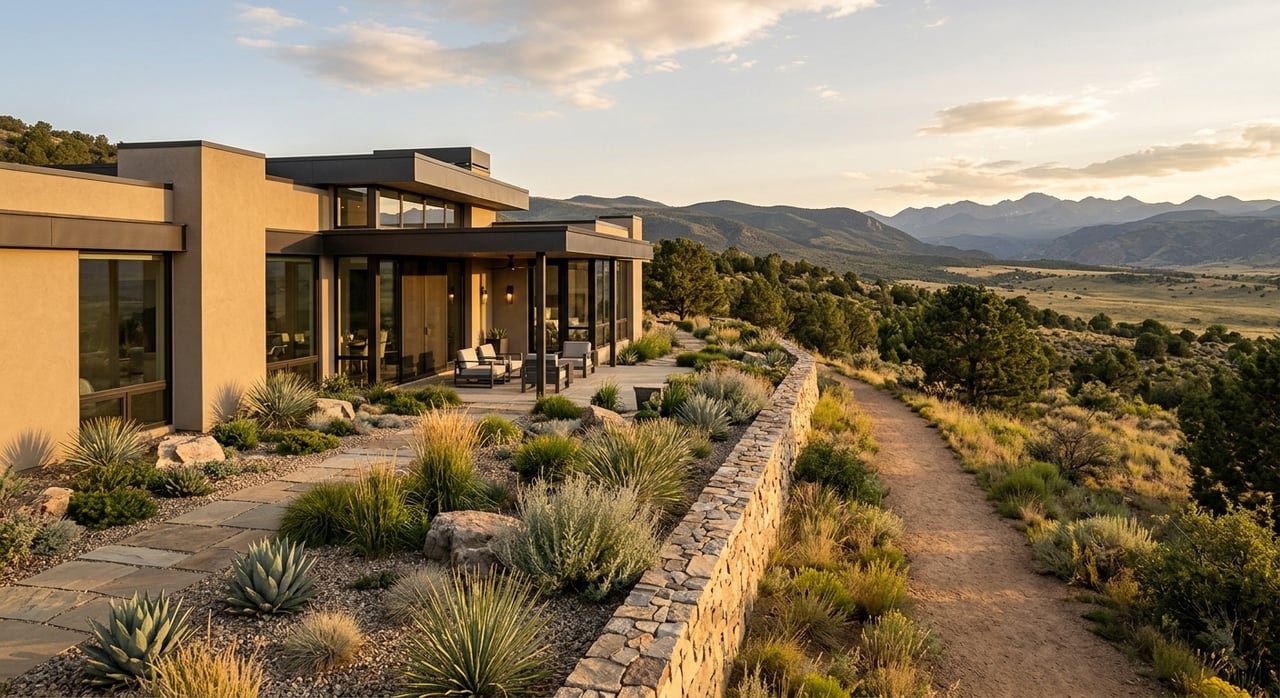
A home with an elevated outlook toward the Grand Mesa, Colorado National Monument, the Bookcliffs, or the river corridor may have a stronger value story than a similar home without that feature. Research summarized by the Appraisal Institute shows that scenic premiums are real, but they are also highly site specific.
That last point is important. A view is not valuable just because a listing says so. The quality, permanence, width, and privacy of the sightline all matter when buyers compare one Orchard Mesa property to another.
Some views feel open and lasting. Others are partial, narrow, or easy to lose if nearby development or vegetation changes the sightline. The Appraisal Institute notes that neighboring homes can have very different view corridors, which is why broad location labels do not tell the full story.
For Orchard Mesa buyers and sellers, that means a premium is more likely when the view is clearly visible, tied to a natural landmark, and hard to replicate nearby. A blocked or short-lived view usually carries less weight.
In Orchard Mesa, lot position can affect value almost as much as the structure itself. Site characteristics influence privacy, noise, drainage, and the overall feel of the property.
A quiet bench lot, a parcel with open edges, or a home set back from heavier traffic may feel more valuable than a similar house on a more exposed site. Appraisal guidance supports this kind of property-by-property analysis because adjacent homes do not always compete equally, even when they share the same general area.
Privacy is often part of the value equation, especially when it supports outdoor living or makes the view feel more usable. A home that captures open sky and mesa views from a backyard or patio will usually present differently than one where the same view is interrupted by nearby structures or street activity.
Street setting also matters. A property on a quieter stretch may appeal differently than one with more traffic exposure, even if both homes are otherwise similar.
Not all location factors are positive. Mesa County says spring runoff and major storms can cause flooding from the Colorado and Gunnison Rivers, as well as smaller creeks and washes.
The county also notes that properties in a Special Flood Hazard Area have more than a 25% chance of flooding over the life of a 30-year mortgage. Its fluvial-hazard information adds that active stream corridors can shift over time, and nearby buffer areas can still face erosion and hillslope failure.
River adjacency can sound attractive, but in Orchard Mesa it needs a careful, balanced look. Proximity to the river may support scenery or setting, yet those benefits can be offset by floodplain exposure, drainage concerns, or erosion risk.
This is one reason vague phrases like “great location” do not say enough. In valuation terms, a river-view setting and a flood-risk setting are not the same thing, even if they overlap on the same property.
If you are considering a home with river proximity, look beyond the photos. You will want to understand:
If you are selling, be ready to explain the property clearly and factually. A strong presentation often separates scenic benefits from site constraints instead of blending them into one broad claim.
That can help buyers understand the full picture and can lead to a more credible pricing strategy.
Current Orchard Mesa listings show that buyers are paying close attention to outdoor function. Public listings repeatedly mention features like RV and ATV parking, irrigation rights, xeriscaping, garden space, mini orchards, pergolas, covered patios, hot tubs, and outdoor entertaining areas.
This suggests that in Orchard Mesa, a usable yard can do more than look good in photos. It can strengthen the value story when it works with the site’s natural assets, especially if it takes advantage of views, privacy, or flexible land use.
A bigger yard does not automatically mean a better yard. In many cases, buyers respond more strongly to outdoor space that is easy to enjoy and maintain than to land that looks impressive but creates extra work.
That is especially relevant in Orchard Mesa, where some properties include gravel drives, larger lots, or acreage. Those features may add utility for some buyers, but they can also increase maintenance and narrow the buyer pool.
Features that often strengthen a property’s appeal include:
Orchard Mesa includes more than standard in-town lots. Current public listings range from about 0.23-acre homesites to 1-acre and 1.18-acre properties, plus much larger 79.71-acre and 400-acre parcels.
That range matters because bigger land is not valued the same way as a typical residential lot. When acreage enters the picture, buyers and sellers need to separate house value from land utility and from the market for larger rural or farm-oriented properties.
A larger parcel may offer flexibility, privacy, or agricultural utility. But it also changes the buyer pool and can complicate direct comparisons.
That is why valuation in Orchard Mesa often works best when you break the property into parts: the home itself, the site position, the view corridor, the outdoor improvements, and the land utility.
Public listing data points to a market where setting matters. Redfin currently shows 73 homes for sale in Orchard Mesa and a May 2026 median sale price of $388,767.
That figure is only a snapshot, not a permanent benchmark. Still, it supports the broader point that Orchard Mesa has a wide mix of product types, which makes location-based differences more meaningful.
Across current listings, several themes show up repeatedly:
That pattern suggests buyers are often valuing the setting alongside the structure. In other words, the market is not just asking, “How big is the house?” It is also asking, “How useful is the lot, and what does this property offer that another one nearby does not?”
If you are buying in Orchard Mesa, try to compare homes in layers instead of relying on headline features. A view, a larger lot, or river proximity may be meaningful, but each one needs context.
When you evaluate a property, focus on the combination of sightlines, flood or drainage exposure, privacy, yard utility, and maintenance demands. That approach can help you avoid overpaying for a feature that looks strong online but feels less compelling in person.
If you are selling, your best pricing story is usually specific. Rather than leaning on a general claim about location, it is more effective to show how your property combines view corridor, lot position, outdoor function, and land utility.
That matters because Orchard Mesa value is often created by a combination of factors, not just one. The strongest properties tend to pair elevated sightlines with usable outdoor space and a site that functions well. The weakest value story is usually one where a view claim is offset by floodplain exposure, drainage issues, access limitations, or higher upkeep.
A valuation-led approach can help you separate those moving pieces and position the home more accurately in the market. That is especially useful in Orchard Mesa, where broad averages rarely tell the whole story.
If you want a data-driven read on how your Orchard Mesa property’s views, lot position, and land utility may affect pricing, connect with the S.U.R.E Team for a local valuation-focused conversation.
Stay up to date on the latest real estate trends.
Whether you are looking for business acquisitions, commercial investment or your dream home in Mesa County or surrounding areas, we’re here to help you move forward with clarity and confidence.