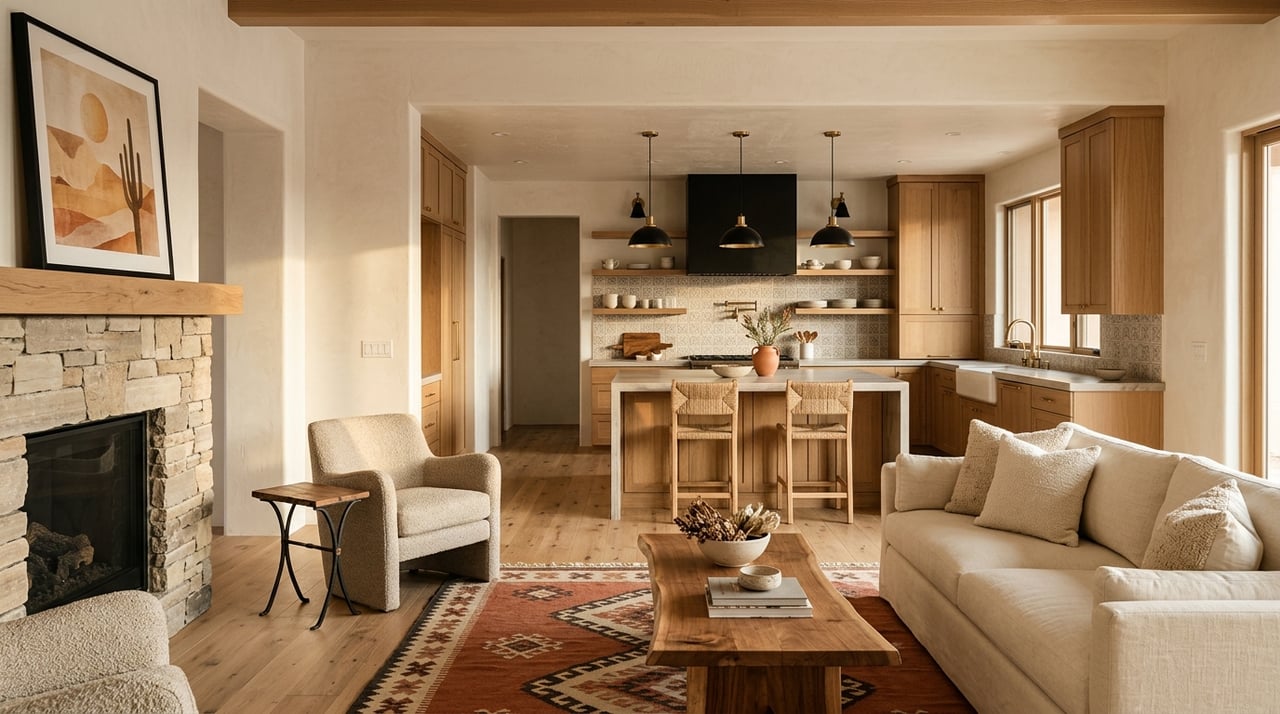
First-Time Homebuying In Clifton: A Step-By-Step Overview
May 28, 2026
May 28, 2026
Buying your first home in Clifton can feel exciting and a little overwhelming at the same time. You are likely trying to balance your budget, learn the process, and make smart decisions in a market where prices can move quickly. The good news is that a clear plan can help you shop with more confidence and avoid common first-time mistakes. Here is a step-by-step overview of what to expect in Clifton and how to prepare.
Clifton is a census-designated place in Mesa County with 20,413 residents, based on the 2020 census. It is a mostly owner-occupied area, with a 73.4% owner-occupied housing unit rate, but it also has an active rental market. That mix can matter if you are currently renting and trying to compare the cost of renting versus buying.
Recent market snapshots place Clifton home prices in the low-to-mid $300,000s. Redfin reported a median sale price of $341,500 in March 2026, Realtor.com showed a median list price of $322.5K with 135 homes for sale, and Zillow showed a median list price of $341,350 as of April 30, 2026. Realtor.com also reported a 100% sales-to-list-price ratio, which suggests you should not assume every home will sell below asking.
Clifton sits in a practical location within Mesa County. County materials place it next to Fruitvale, Grand Junction, and Palisade, with access at Interstate 70 exit 37 and Highway 141 running south to Highway 50. For many buyers, that location supports daily convenience while keeping you connected to the larger Grand Junction area.
Census data show a mean travel time to work of 22.1 minutes. That helps explain why Clifton can appeal to buyers who want a local residential setting while staying close to jobs, services, and regional travel routes. If commute time matters to you, Clifton's position in the county is part of the value equation.
Before you tour homes, start with the numbers. HUD says affordability depends on your income, credit rating, current monthly expenses, down payment, and interest rate. In plain terms, your home search should begin with what you can comfortably afford each month, not just the maximum price a lender may approve.
It also helps to look beyond the mortgage payment. CFPB notes that buyers should plan for closing costs, moving costs, repairs, home improvements, taxes, insurance, and homeowners association dues if they apply. In Mesa County, property tax is based on Property Value × Assessment Rate × Mill Levy, so tax estimates are a local research item, not something you can safely guess from list price alone.
Lenders typically look at the same core areas early in the process. CFPB says they review income, assets, debts, and credit record when deciding whether to preapprove a borrower. That means this is a good time to gather pay stubs, account statements, debt details, and any other financial records you may need.
If your credit needs work, it is better to know that before you fall in love with a house. Small changes in credit, debt, or cash reserves can affect the loan options available to you. A clean financial picture also makes it easier to move quickly when the right Clifton property hits the market.
A preapproval letter can help you shop with a more realistic price target. CFPB also notes that sellers often ask for a preapproval letter before accepting an offer, so having one ready can strengthen your position. Just remember that preapproval is tentative, not a guaranteed loan commitment.
Preapproval does not lock you into one lender. After your offer is accepted, CFPB advises buyers to request and compare official Loan Estimates from multiple lenders. That gives you a better chance to choose a loan structure and payment that fit your needs.
If you are buying your first home, Colorado programs may be worth reviewing early. CHFA offers homebuyer education across the state, and that education is required if you plan to use a CHFA mortgage loan. The classes cover practical topics like choosing a real estate professional, working with a lender, and understanding hidden costs of homeownership.
CHFA also offers down payment and or closing cost assistance through its first mortgage programs. Published options include up to the lesser of $25,000 or 3% of the first mortgage for a grant, and up to the lesser of $25,000 or 4% of the first mortgage for a second mortgage loan. Its first-generation program can offer up to $25,000 for eligible borrowers.
Many first-time buyers assume they need 20% down, but that is not always the case. CFPB says many buyers do not put 20% down, though mortgage insurance may apply when the down payment is below 20%. The right down payment depends on your goals, your loan choice, and your monthly budget.
HUD notes that FHA loan programs offer lower down payments and can be a good option for some first-time buyers. That does not mean every buyer will qualify, but it does mean you may have more options than you think. A lender can help you compare what each loan type means for your monthly payment and upfront cash needs.
Once your financing is in motion, you can begin touring homes with more focus. HUD and CFPB both place home shopping after budget and loan preparation for a reason. You will make better decisions if you know your price range, likely payment, and must-have features before you start walking through properties.
In Clifton, current pricing suggests that condition, comparable sales, and financing strength matter. Since market snapshots show prices in the low-to-mid $300,000s and a 100% sales-to-list-price ratio, it is wise to compare asking prices to recent sold homes rather than assume there is broad room to negotiate on every listing. Each property is different, so a data-based review matters.
Local research can give you a clearer picture of value. Mesa County's Assessor office maintains information on nearly 90,000 real property parcels and provides a property sales search and interactive parcel map. Those tools can help you review parcel details, sales history, and valuation context before you decide how to price an offer.
This matters because list price is only one data point. A home's lot, condition, updates, and recent nearby sales all help shape what a fair offer may look like. In a market like Clifton, having local sales context can keep you from overpaying or underbidding without a reason.
When you are ready to make an offer, stay grounded in the numbers and the home's condition. A competitive offer is not always the same as the highest possible offer. It is the offer that reflects the property's market position, your financing strength, and the terms you can realistically support.
This is where process discipline helps. If a home is priced near where recent comparable sales support it, you may need to be prepared for limited negotiating room. If condition issues show up or the pricing looks aggressive, those facts can shape your strategy.
Enthusiasm should never replace due diligence. CFPB says buyers should schedule an independent home inspection as soon as possible so there is time to resolve problems. The inspection should be done by someone who is honest, thorough, and accountable to you.
An inspection is different from an appraisal. CFPB also notes that buyers may be able to negotiate repairs with the seller, and that a contract contingent on a satisfactory inspection can sometimes be canceled without penalty if the buyer is not satisfied. HUD also recommends getting a home inspection before closing.
As your transaction moves forward, there are still important details to manage. CFPB says buyers should shop for homeowners insurance and title insurance during the closing process. It also warns that closing costs may sometimes be offset by seller or lender credits, but they do not simply disappear.
This is also the stage where document review becomes critical. Buying a home involves a stack of paperwork, and you should feel comfortable asking questions about anything that looks different from earlier disclosures or expectations. Careful review now can prevent stress later.
CFPB describes closing as the key final step in buying and financing a home. Before signing, do a final walk-through to make sure agreed repairs were completed and any items the seller promised to leave are still there. This is your chance to confirm the property matches the deal you agreed to.
At the closing table, review documents carefully and do not sign until you are satisfied. If loan terms change materially, you may receive a new Closing Disclosure and, in limited cases, a three-business-day review period. Taking the time to read what you sign is part of protecting your investment.
Your work is not completely done once you get the keys. CFPB recommends saving your final loan and purchase documents, including the Closing Disclosure, Promissory Note, Mortgage or Deed of Trust, and Deed, in a safe place. You may need them for taxes, refinancing, or future questions about your home.
It is also smart to stay alert after closing. CFPB warns that public-record data can trigger junk mail and scam offers aimed at new homeowners. If you receive unexpected notices or solicitations, pause before responding and verify what you are being asked to buy or sign.
Buying your first home in Clifton is a big step, but it becomes much more manageable when you break it into clear stages. If you want local guidance grounded in market data, valuation discipline, and practical next steps, GSD Broker Team is here to help you move forward with confidence.
Stay up to date on the latest real estate trends.


Whether you are looking for business acquisitions, commercial investment or your dream home in Mesa County or surrounding areas, we’re here to help you move forward with clarity and confidence.