
Pre‑Listing Valuation Tips For Montrose Property Sellers
June 4, 2026
June 4, 2026
Wondering why your tax notice, an online estimate, and a broker’s price opinion can all show different numbers for the same Montrose property? If you are getting ready to sell, that confusion is common, and it can lead to pricing mistakes that cost you time or leverage. A smart pre-listing valuation helps you understand what buyers are likely to pay in the current market, what details may affect value, and what records you should confirm before your home, land, or commercial property goes live. Let’s dive in.
A pre-listing valuation is a market-based estimate of what your property may sell for under current conditions. In Colorado brokerage practice, that often shows up as a comparative market analysis, or CMA, or a broker price opinion, sometimes called a BPO.
That is different from an appraisal. An appraisal is an independent opinion of value prepared by a licensed appraiser, while a broker valuation is typically used to help set a listing price and guide your selling strategy.
It is also different from your county tax value. In Montrose County, property value for assessment is based on comparable sold properties and follows a statutory schedule, with reappraisals every two years in odd-numbered years. The county notes that the 2025 Notice of Value was based on sales from January 1, 2023 through June 30, 2024, which means assessed value can lag behind the market you are selling in today.
Many sellers look at the assessor’s number first, which makes sense. It is an official figure, it is easy to find, and it feels like a logical pricing anchor.
But in Montrose, assessed value is for taxation, not for setting your asking price. The county explains that actual value reflects market-based value, while assessed value is the actual value multiplied by the assessment rate. That makes it useful for understanding property taxes, but not for choosing a list price.
If you price from the assessed value alone, you risk coming in too high or too low for current buyer demand. A pre-listing valuation should focus on recent comparable sales, current competition, property condition, and legal use factors that matter right now.
At a basic level, value comes from what buyers are willing to pay for a property like yours in today’s market. That starts with comparable sales, but it does not end there.
Comparable sales work best when the properties share similar physical and legal characteristics. That includes things like site size, finished area, style, age, and condition, along with nearby market activity.
For many Montrose sellers, local context matters more than they first expect. If your property sits inside the City of Montrose, city zoning maps help determine legal use. If it is in unincorporated Montrose County, county zoning applies, and that can have a meaningful effect on how a buyer sees value.
Recent nearby sales are one of the strongest indicators of value. Buyers, brokers, and appraisers all look closely at what similar properties have actually closed for, not just what sellers hoped to get.
That means the most useful comps are usually properties with similar square footage, layout, age, and legal characteristics in the same general area. If your property is unique, the valuation may require wider adjustments and more judgment.
Condition can influence value just as much as size. A property with deferred maintenance, unfinished work, or dated systems may compete at a discount against cleaner, better-documented listings.
On the other hand, a well-kept property with clear renovation records can support a stronger pricing position. If you have completed major work, dates, permits, and contractor records can help support the story your pricing needs.
In Montrose County, location is not just a pin on a map. Zoning categories, access, and development rules can affect how a property is valued, especially for acreage, edge-of-town properties, vacant land, and mixed-use or commercial sites.
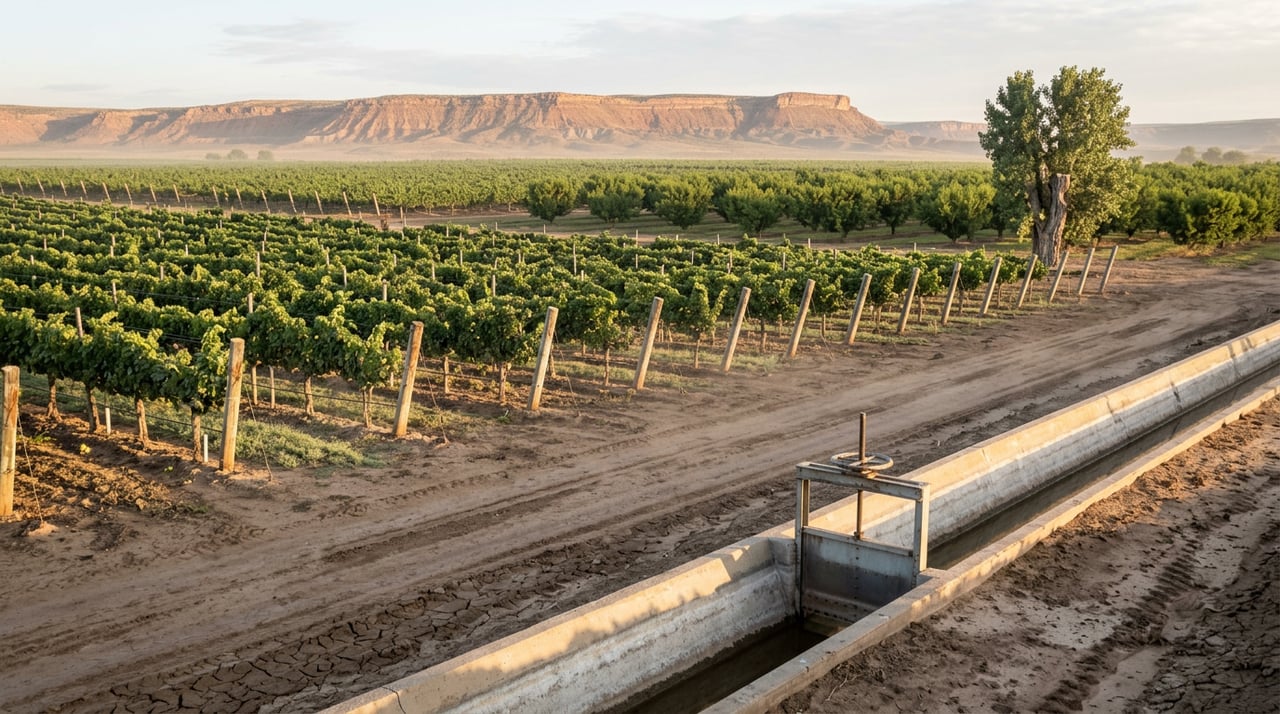
County planning notes that much of the county is zoned General Agricultural, while commercial, business, industrial, and residential zones also exist. For some rural parcels, subdivision eligibility may depend on county-road frontage, potable water access, and minimum lot-size compliance. Those factors can affect buyer interest and price.
Your pre-listing valuation should reflect today’s market, not last year’s assumptions. According to the Colorado Association of Realtors local market update for Montrose County, year-to-date as of April 2026, the median sales price was $433,000, median days on market was 119, inventory was 265 homes for sale, months supply was 5.3, and sold listings received 97.3% of list price.
For sellers, that data points to a clear takeaway: pricing discipline matters. Buyers are likely to respond to current closed comps and property condition, and they may be less willing to stretch for a property that feels overpriced compared with nearby alternatives.
A good valuation starts with good information. If you can organize the key records before your broker visits the property, you can help reduce guesswork and make the pricing conversation more precise.
Bring together the most useful public and property-specific records, including:
These records help confirm what is in the public file and what may not be obvious from a quick walk-through.
Commercial valuation often depends on income as much as physical features. Colorado DOLA notes that commercial and industrial real property is valued by considering the market, cost, and income approaches, and the income approach capitalizes annual net income to reflect a typical investor return.
That is why it helps to gather:
If these records are incomplete, the valuation may have to rely on broader assumptions. Clean records usually support a more confident pricing opinion.
Land and semi-rural property often require extra diligence before pricing. In Montrose County, zoning, access, water, septic limits, and subdivision rules can all shape what the property is worth.
Before your valuation appointment, try to confirm:
Even strong properties can lose momentum if the starting price is based on the wrong benchmark. A few common mistakes show up again and again.
This is one of the most common issues. County assessed value serves a tax purpose and may reflect an earlier valuation period, so it should not be treated as your asking-price formula.
Two properties with similar square footage can still command very different prices. Deferred maintenance, unfinished projects, and outdated finishes can all influence how buyers compare your property to recent sales.
This matters most for land, commercial property, and rural homes, but it can affect any listing. If a buyer learns late in the process that access, zoning, or development potential is more limited than expected, value and deal terms can change quickly.
Montrose County offers public property records, parcel maps, and GIS data, which can help confirm details before a listing hits the market. Reviewing the public record early can help you catch inconsistencies and avoid surprises during buyer due diligence.
A strong list price is not just a guess in the middle of a range. It should reflect recent comparable sales, your property’s condition, any legal-use considerations, and the current balance of inventory and buyer demand in Montrose.
That process is especially important if your property does not fit a standard mold. Commercial assets, income-producing buildings, acreage, and mixed-use opportunities often need a more detailed valuation lens than a simple square-foot comparison.
For sellers, the goal is straightforward: enter the market with a price that is credible, competitive, and defensible. That gives you a better chance to attract serious buyers and protect your negotiating position from day one.
If you want a valuation-driven approach before you list in Montrose, GSD Broker Team can help you review the numbers, property details, and local market context with a clear process and practical guidance.
Stay up to date on the latest real estate trends.



Whether you are looking for business acquisitions, commercial investment or your dream home in Mesa County or surrounding areas, we’re here to help you move forward with clarity and confidence.