
How A Broker Opinion Of Value Helps Grand Junction Owners Decide
May 14, 2026
May 14, 2026
If you own property or a business in Grand Junction, one question can shape your next move: what is it really worth right now? That answer matters whether you are thinking about selling, holding, refinancing later, or improving the asset first. A Broker Opinion of Value, or BOV, can give you a practical starting point based on local market evidence and property-specific factors. Here is how a BOV works in Colorado, what goes into it, and how it can help you make a smarter decision in 81501 and across Mesa County.
In Colorado, a licensed real estate broker can provide an opinion of value as long as it is not represented as an appraisal and not used to obtain financing. That legal line matters because it tells you what a BOV is designed to do.
A BOV is a broker's market-based estimate of value. It is typically used for pricing strategy, internal planning, negotiations, and early-stage decision making. It is not the same as a formal appraisal completed by a qualified appraiser under appraisal standards.
For many owners, that makes a BOV especially useful at the front end of a decision. You can use it to test timing, compare options, and understand where your property or business may sit in the current market before you commit to a larger transaction process.
Grand Junction and Mesa County are active markets, but they are not giant metro areas where huge volumes of sales smooth everything out. In a market this size, a small number of unusual transactions can skew simple averages and create misleading expectations.
Mesa County's population was estimated at 162,845 in 2025, and Grand Junction's population was estimated at 70,554 in 2024. The Grand Junction area unemployment rate was 3.5 percent in March 2026, while average weekly wages in the area were $1,121 in the third quarter of 2025 compared with $1,459 nationally. Those local conditions help explain why value here depends on more than broad national talking points.
Mesa County also saw notable commercial activity in 2025, with reported commercial sales volume of $306.4 million across 212 sales and 257 active commercial listings. But one large Mesa Mall sale reportedly had an outsized effect on annual volume. That is exactly why a local, property-specific BOV can be more helpful than relying on headline numbers alone.
A strong BOV should not be a quick guess. It should be built on recent market evidence and careful review of the factors that actually influence value in your segment.
For real estate, a broker will usually look at recent comparable sales and current competing listings. They may also review time adjustments, location differences, physical condition, occupancy, rent levels, expenses, site access, parking, and zoning.
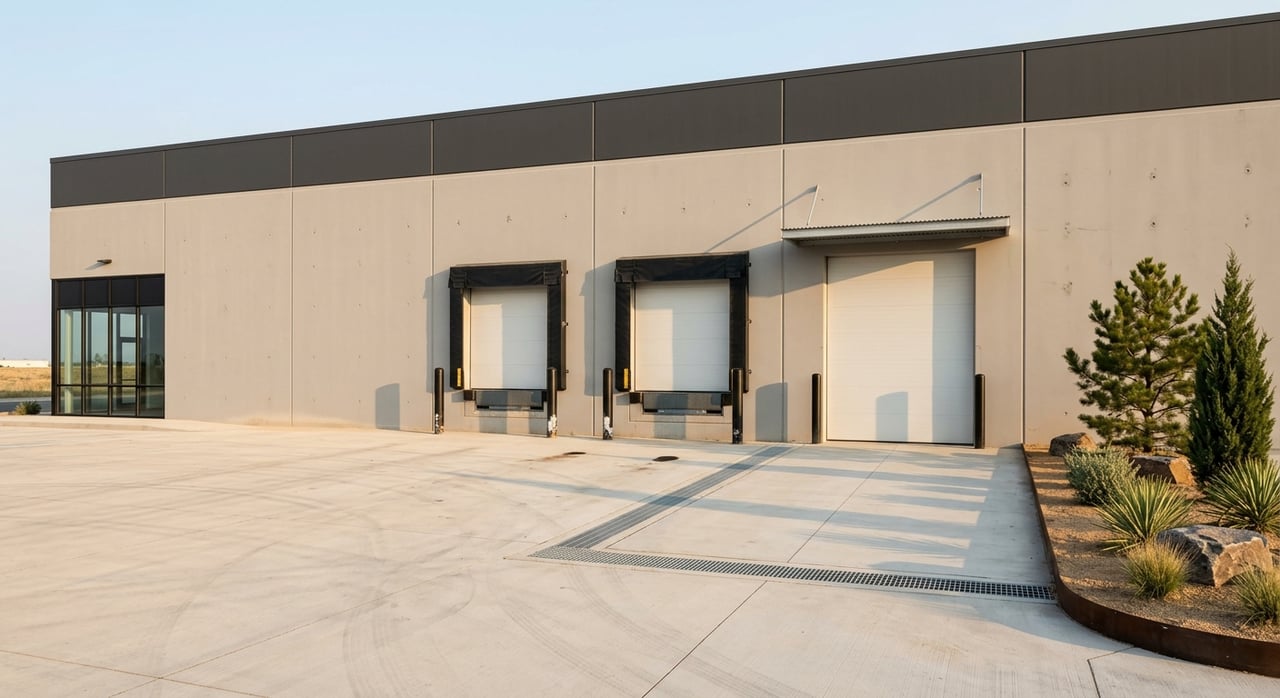
In Grand Junction, those details can carry real weight. A downtown office suite, a light-industrial bay, or a retail building with tenant turnover risk may all need very different analysis even if the square footage looks similar on paper.
For most commercial and owner-occupied properties, these factors often shape the value conclusion:
A good BOV weighs these items together rather than leaning too heavily on one data point. That balance is especially important when the local sales pool is limited.
Two buildings can look similar from the street and still produce very different value opinions. That often comes down to income stability and risk.
If a property has vacancy, a broker will likely consider how that affects current income and how difficult it may be to lease the space in the current market. In a market with low vacancy, that could support value. But if the vacant space has layout issues, limited parking, or weak access, the impact may be different.
Lease rollover also matters. If a major tenant's lease is nearing expiration, buyers may view that as uncertainty. On the other hand, stable lease terms with predictable income can support pricing and negotiation strength.
Condition is another major driver. Deferred maintenance, outdated systems, or functional issues can reduce value because a buyer will factor in future costs. Improvements that support usability, appearance, or leasing appeal may strengthen the opinion of value.
Zoning affects what a property can legally be used for, which directly influences the buyer pool. A building with flexible use potential may attract more interest than one with tighter use limitations.
Site access also matters in practical ways. Corner visibility, truck access, parking ratios, and ingress and egress can all change how a property performs for an owner-user or investor.
In a place like Grand Junction, this can be especially important for industrial, service, and mixed-use properties. A BOV should account for how the site works in the real world, not just what the building looks like on a flyer.
Some owners are not just selling a building. They are selling a business, equipment, lease rights, or a combination of all three.
That is common with assets like restaurants, service businesses, or owner-occupied buildings where the operating business and the real estate are tied together. In those cases, the value of the real estate may need to be analyzed separately from the value of the business.
For a business sale, the analysis may also include financial statements, tax returns, receivables, liabilities, cash flow, seller's discretionary earnings, and comparable business sales. Different valuation methods may be considered, including earnings-based, cash-flow, asset-based, and intangible-asset approaches.
A few common scenarios help show why this matters:
When these pieces are blended without care, owners can end up with the wrong expectations. A disciplined BOV helps clarify what is actually being valued.
A BOV is useful, but it does have limits. In Colorado, it should not be treated as lender underwriting and should not be used in place of an appraisal for financing.
That means you will still need a formal appraisal in situations where a lender or another party requires one. An appraisal is the formal lane, while a BOV stays in the brokerage lane.
A simple way to think about it is this:
| Tool | Best use |
|---|---|
| BOV | Pricing strategy, planning, negotiations, early decision-making |
| Appraisal | Financing and other situations requiring formal appraisal standards |
If your next step may involve financing, it helps to understand this boundary early. A BOV can still be valuable as a first step, but it is not a substitute for the appraisal process.
Some valuation decisions affect more than list price. They may involve entity structure, tax treatment, partner interests, contracts, lease rights, or business liabilities.
That is why owners should consider involving a CPA or attorney when the decision includes a business sale, partner buyout, significant liabilities, or legal questions tied to leases and ownership structure. A broker can help frame market value and transaction strategy, but tax and legal advice belong with the right licensed professionals.
This is especially true when the real estate and operating business are being sold together. The cleaner the separation of roles, the smoother your decision-making process tends to be.
A BOV is not just about naming a number. Its real value is helping you compare your options with clearer eyes.
If the BOV shows strong demand and supportive comps, selling now may make sense. If the property needs work or a lease rollover is close, you may decide to hold, improve, and revisit the market later.
If you are considering refinancing discussions down the road, a BOV can still help you understand where your asset may stand today, even though financing decisions will require the formal appraisal path. It can also help with negotiation planning, expansion decisions, or internal conversations about partner interests.
Before you make a move, a BOV can help you think through questions like:
Those are practical questions, and they deserve practical answers grounded in local evidence.
Colorado expects brokers to have the experience, training, and knowledge needed to provide brokerage services. If a property type, location, or issue falls outside a broker's competence, they should decline the assignment, co-list, or seek help.
That matters for owners in Grand Junction because not every valuation question is simple. A small office condo, a leased retail building, an industrial asset, and a business-backed sale all require different judgment.
Working with a broker who understands Mesa County market patterns, local outliers, and the difference between real estate value and business value can lead to a much more useful result. In a market where one large sale can distort the headlines, local analysis matters.
If you are weighing a sale, hold strategy, or next-step plan, a clear BOV can give you the grounded starting point you need. To talk through your property, business, or both, connect with GSD Broker Team.
Stay up to date on the latest real estate trends.





Whether you are looking for business acquisitions, commercial investment or your dream home in Mesa County or surrounding areas, we’re here to help you move forward with clarity and confidence.