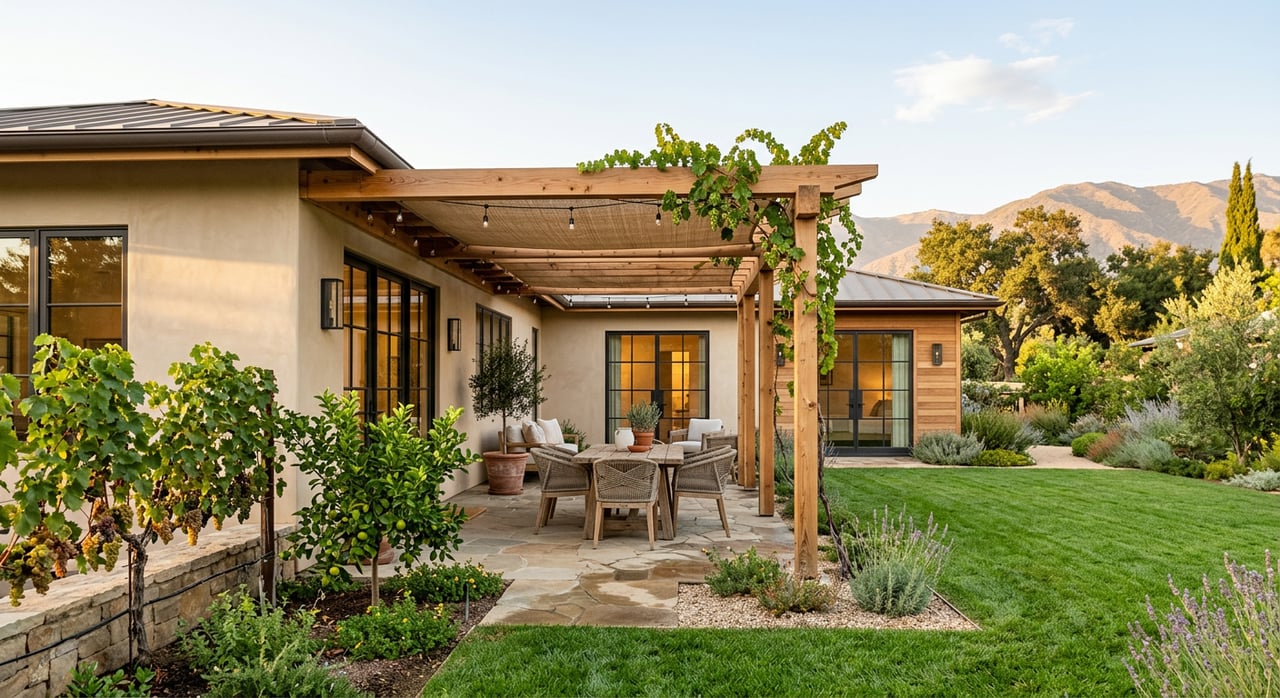
Choosing Between Orchard Mesa and Grand Junction Homes
March 5, 2026
March 5, 2026
Trying to choose between Orchard Mesa and in‑town Grand Junction for your next home? You are not alone. Both areas offer strong value, but the day‑to‑day experience differs in lot size, access, commute, and price. In this guide, you will learn how the areas compare and get a simple checklist to focus your search. Let’s dive in.
Orchard Mesa sits just south and east of the Colorado River, roughly 3 to 5 driving minutes from the Main Street corridor in typical traffic. The area benefits from U.S. Highway 50 and US 6 running through or adjacent to the neighborhood, which creates quick car access to downtown and I‑70. Local guides note sub‑10‑minute drives to downtown, depending on your exact starting point and traffic.
Grand Valley Transit serves Orchard Mesa via Route 6. Service exists, but frequency is moderate compared to dense urban systems, so confirm stops and timetables for any address on your list. You can review system details through Moovit’s Grand Valley Transit listings.
Walkability in Orchard Mesa is generally car‑dependent at the block level, while the immediate Main Street area is visibly more walkable. Exact walk scores vary by block. For any specific property, check the walkability metrics for that exact address when you tour.
Orchard Mesa offers a broad mix of housing types. You will find older ranch‑style homes, manufactured or mobile‑home communities, apartment and townhome complexes, and newer subdivisions that reflect recent infill and edge development. This variety gives you more options at different price points and ages of construction.
Lot sizes also vary widely. The Orchard Mesa Irrigation District still serves parcels in the area, which helps explain why you see everything from small suburban lots to multi‑acre orchard or vineyard properties. Public listings commonly show lots around 0.1 to 0.3 acre in newer subdivisions, along with larger acreage where agricultural use remains. Always confirm the exact lot size and water status for any address that interests you.
In‑town Grand Junction concentrates more small lots and more historic housing stock near the Main Street and Lincoln Park corridor. You will also see condos, lofts, and mixed‑use buildings close to restaurants and cultural venues. If your priority is a compact yard, a short walk to dining or events, and options for live‑work, the in‑town area is the natural place to focus first.
Both Orchard Mesa and in‑town addresses fall within Mesa County Valley School District 51. Local feeder schools for Orchard Mesa include Dos Rios Elementary and Orchard Mesa Middle School. Because assignments can change, confirm any address with District 51’s school pages.
For daily services, Orchard Mesa has highway‑front grocery and service retail along Highway 50, while the downtown core concentrates specialty retail, restaurants, hotels, and entertainment. Health care for the valley is anchored by Community Hospital and St. Mary’s regional facilities, typically within a 10 to 25 minute drive of Orchard Mesa depending on destination and traffic.
Outdoor access is a shared strength. Orchard Mesa connects quickly to the Riverfront corridor, with access to multi‑use paths, boat ramps, and nearby parks such as Las Colonias and Eagle Rim. Golf at Chipeta, Palisade wineries, and the Colorado National Monument are also within a practical drive.
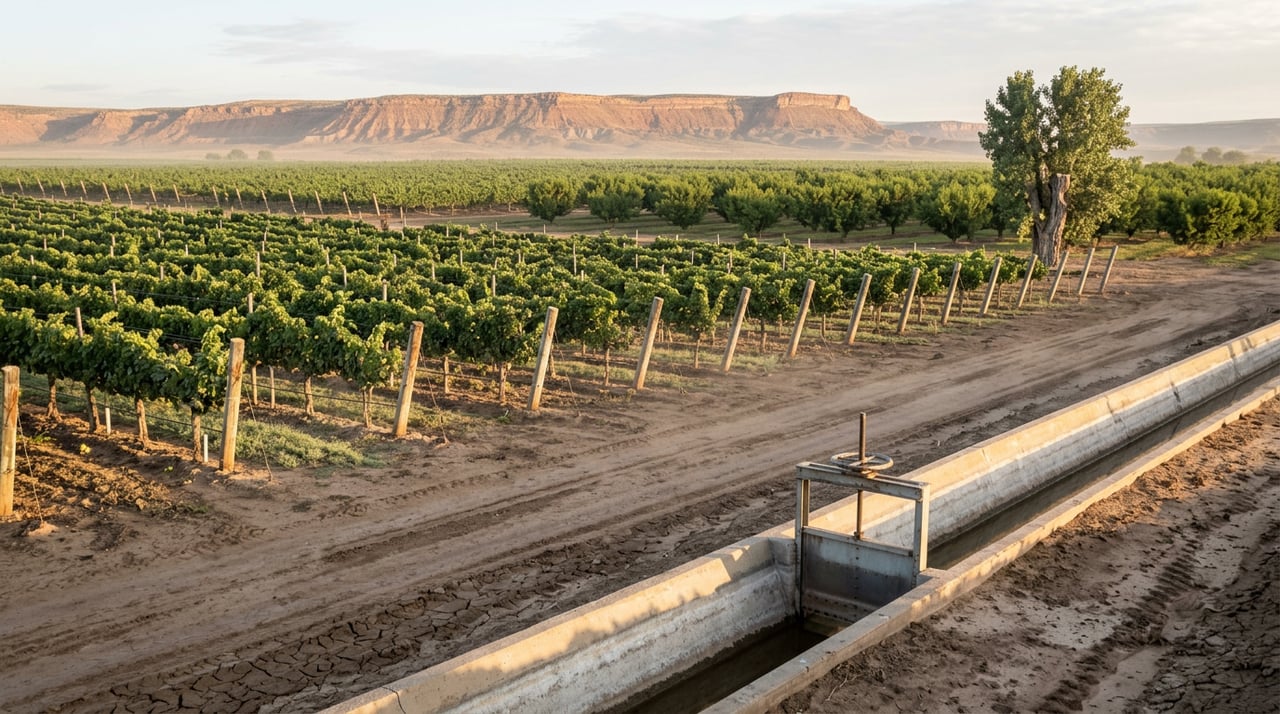
If you are considering a larger parcel in Orchard Mesa, irrigation matters. The Orchard Mesa Irrigation District administers canals, laterals, and turnouts that supply many properties in the area. For any candidate property, ask about the presence of an active turnout, how water is delivered, and whether laterals are open channels or piped. These details can affect maintenance and your landscaping plan.
If a property sits near the river or in a low‑lying drainage path, flood designations may apply. Always check the FEMA Map Service Center for the current mapped zone and ask the city or county floodplain administrator about any local mitigation work. This due diligence helps you understand insurance implications and design constraints before you write an offer.
Market snapshots vary because providers use different neighborhood boundaries, listing versus sold prices, and time windows. As a directional guide, the Orchard Mesa neighborhood often shows a lower median listing price than the citywide figure at a given moment. For example, Realtor.com’s Orchard Mesa overview has shown a median listing price near the high $300Ks, while Redfin’s Orchard Mesa summary reported a recent median sale price around the mid $300Ks in their January 2026 snapshot.
At the city level, Realtor.com’s Grand Junction page has displayed a higher median listing price near the upper $400Ks, while Redfin’s Grand Junction page showed a median sale price near the mid $300Ks and days on market that often fall in the 40 to 60 day range depending on the month. Zillow’s home value index for Grand Junction places typical values in the low to mid $400Ks, using their ZHVI methodology across neighborhoods and zips. You can review those trends on Zillow’s Grand Junction values page.
The key takeaway is to treat these as signals, not absolutes. For a decision on a specific property, pull 30 and 60 day MLS comps and confirm list‑to‑sale ratios, days on market, and inventory by price band. A current, local snapshot will anchor your pricing and negotiation plan.
Use this six‑question framework to narrow your search and plan tours:
If you want more space and a varied mix of housing types, Orchard Mesa is a strong candidate. If you want a compact yard and daily walkability to dining and events, in‑town Grand Junction will likely fit better. The right choice ties back to your lot needs, lifestyle, and price band.
Have questions or want fresh MLS comps for your short list? Connect with the GSD Broker Team for a valuation‑led, local review of your options. Get a Free Business & Property Valuation.
Stay up to date on the latest real estate trends.
Whether you are looking for business acquisitions, commercial investment or your dream home in Mesa County or surrounding areas, we’re here to help you move forward with clarity and confidence.