Year‑Round Fruita CO Lifestyle and Housing Guide
February 19, 2026
February 19, 2026
Thinking about a small, friendly base where world-class trails, river time and a quick commute all fit into your week? If Fruita is on your radar, you want the real picture of daily life, not just vacation vibes. In this guide, you’ll get a clear look at housing options and price ranges, commute times, schools, health care, the local calendar and how each season actually feels. Let’s dive in.
Fruita is a home-rule city on Colorado’s Western Slope, about 12 miles west of Grand Junction in the Grand Valley. It blends true small-town living with serious outdoor access. As of 2024, Fruita had roughly 13,900 residents, according to the U.S. Census QuickFacts. You can confirm current population trends in the Census summary for Fruita for a quick snapshot of growth and scale. U.S. Census QuickFacts
At around 4,500 feet, Fruita has a high-desert climate. Summers are hot and sunny. Winters are cold but relatively dry. You’ll get four seasons and enough mild days to enjoy the outdoors year-round, with short windows of winter snow or spring mud on some trails. For monthly normals and a feel for temperature swings, check the Fruita climate overview. Fruita climate overview
Fruita’s identity is closely tied to its BLM-managed singletrack networks. The North Fruita Desert, often called 18 Road, delivers stacked loops and flowy lines that locals ride before or after work. The Kokopelli and McInnis Canyons areas add classic desert terrain with beginner connectors and advanced tech. Conditions vary by season, but you can generally ride year-round at lower elevations. Trail descriptions and current guidance are posted by the BLM. BLM Fruita trail systems
James M. Robb Colorado River State Park (Fruita section) anchors family-friendly recreation with lakes, river access, walking paths and summer programming. The Riverfront Trail network supports easy biking, runs and stroller-friendly loops. Together with the Dinosaur Journey museum in town, these amenities make Fruita livable for families as well as riders. Explore the state park’s Fruita section for hours, amenities and seasonal programs. James M. Robb State Park - Fruita
The Fruita Fat Tire Festival each spring brings guided rides, demos and downtown energy. Residents plan around it, and local businesses feel the lift. You’ll also find the Fruita Fall Festival in late September and the quirky Mike the Headless Chicken Days in late May. These events add fun and foot traffic, and they can make downtown and trailheads busier on peak weekends. Check event details for the Fat Tire Festival here. Fruita Fat Tire Festival
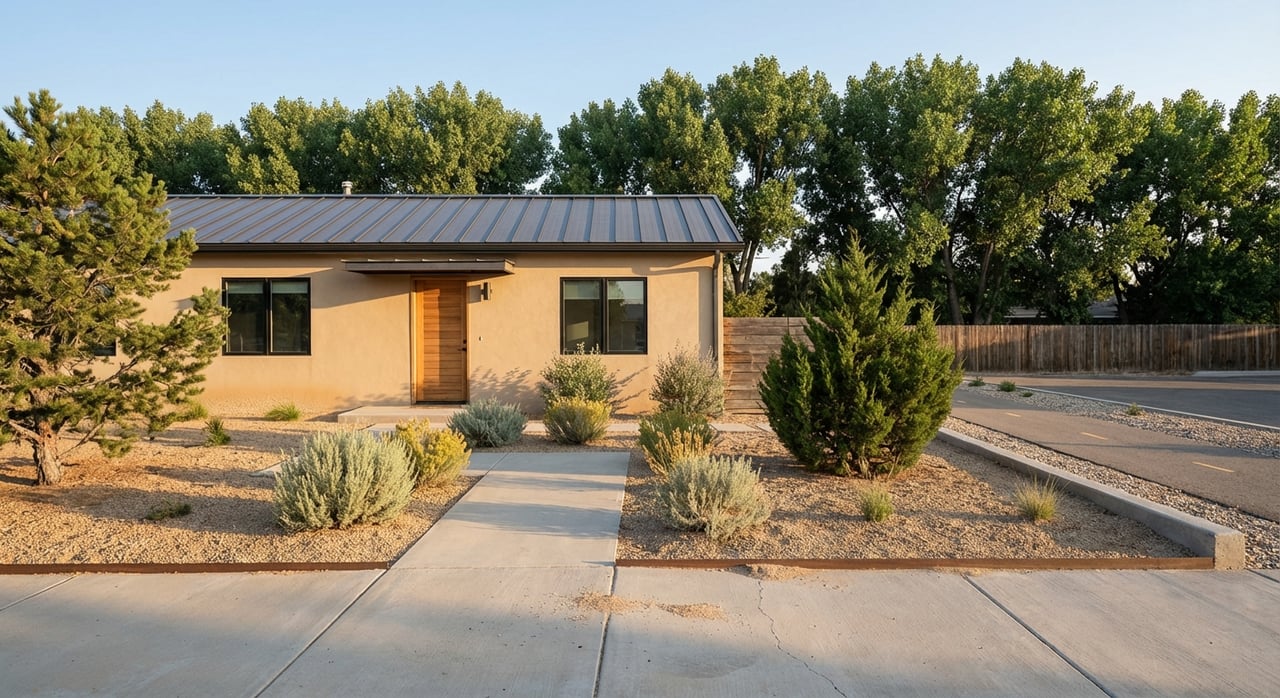
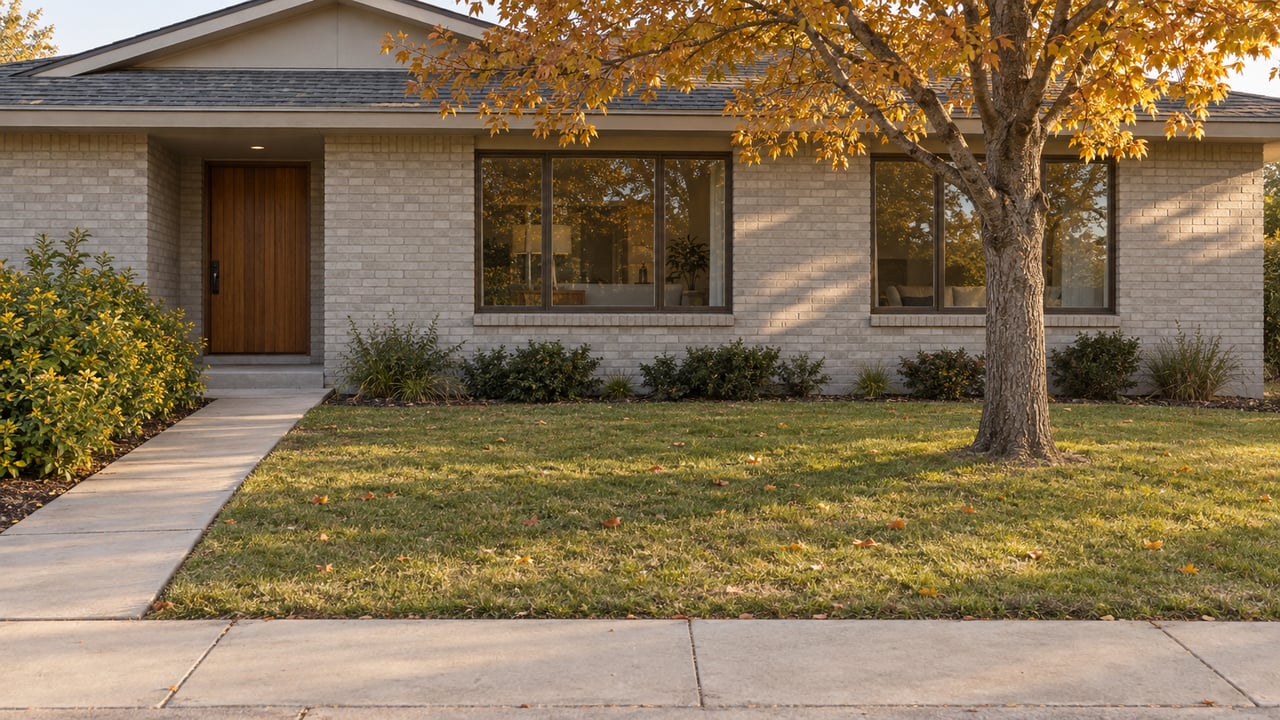
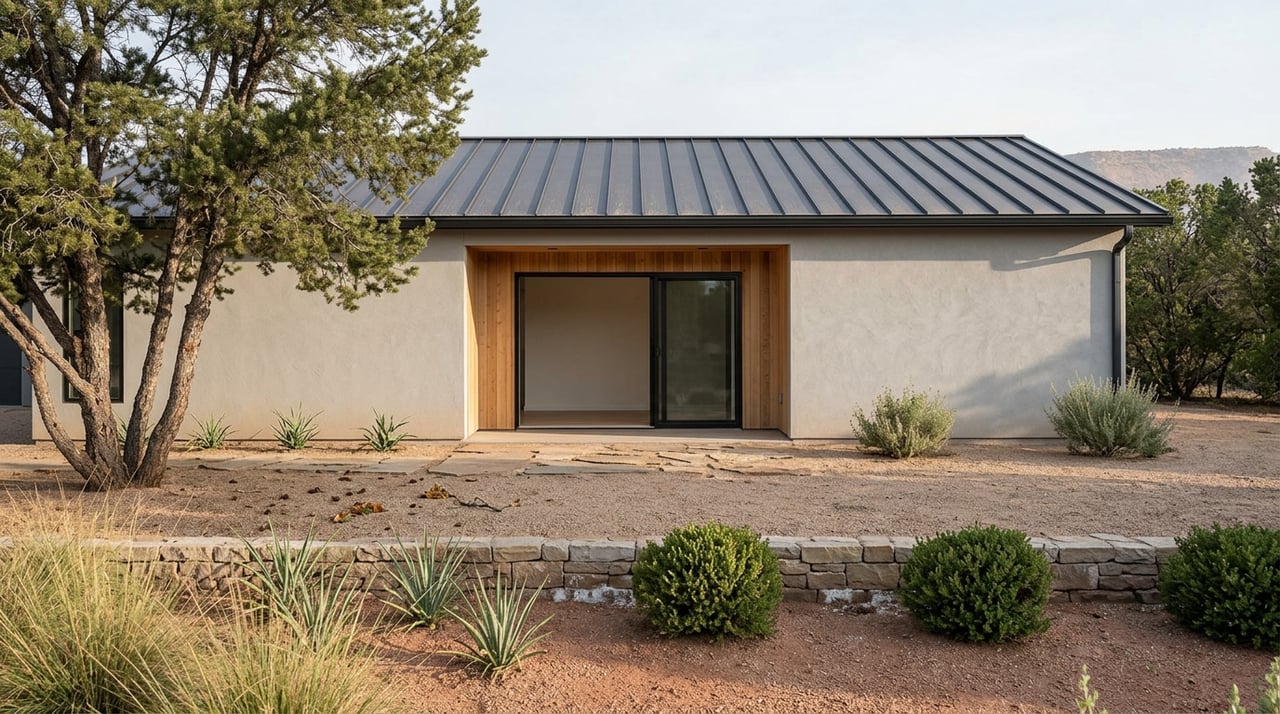
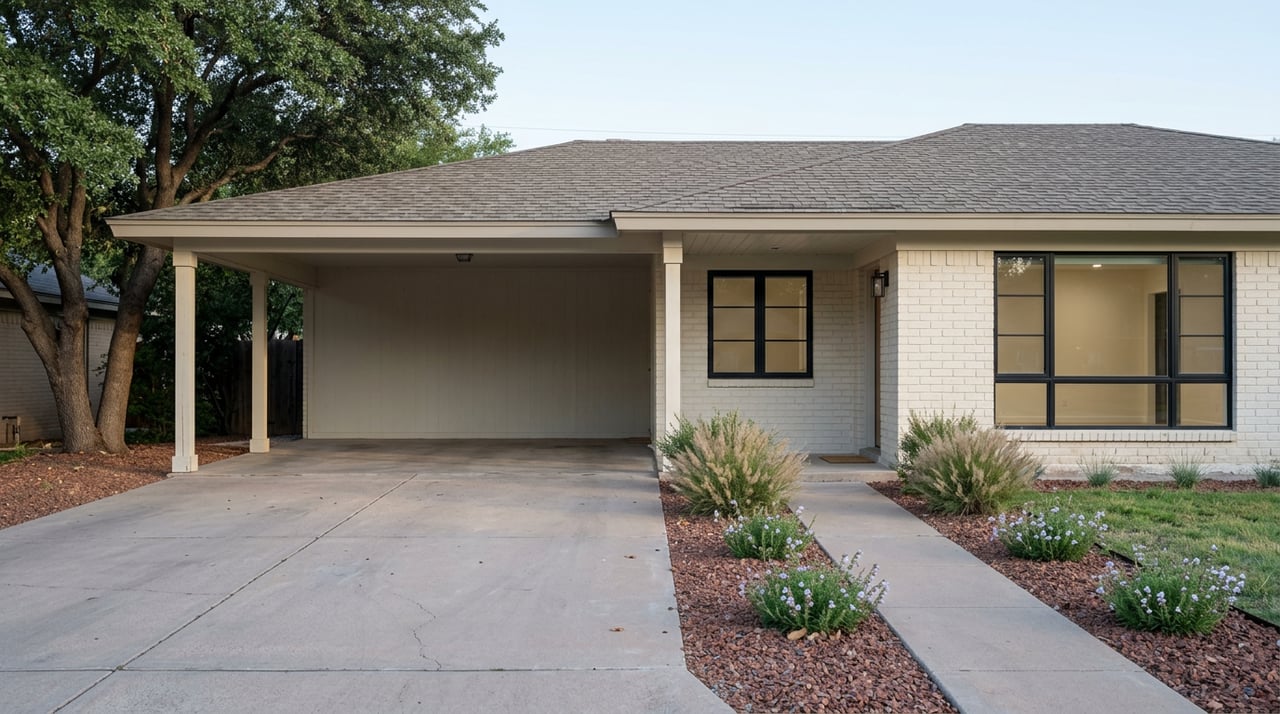
You’ll see a practical mix:
If you like low-maintenance living, many townhome and 55-plus communities include HOA landscape and snow services. If you prefer elbow room, the edges of town and county areas offer more space and privacy, with a tradeoff in utility access and a longer ride to services.
Market metrics vary by source. As of January 2026, Redfin reported a median sale price near 480,000 dollars for Fruita. Recent snapshots on listing-based sites showed a higher median list price, while Zillow’s home-value index placed typical values closer to the high 400s at the end of 2025. These differences reflect how each provider measures the market. The key takeaway for planning is that Fruita generally prices below Colorado’s Front Range cities, though the gap has narrowed in recent years as outdoor-oriented towns have grown in demand.
Fruita to central Grand Junction is roughly 11 to 12 miles, about a 20-minute drive in normal traffic. Many residents commute across the Grand Junction metro area with short one-way times, and driving alone is the most common mode. For quick distance checks, see the Fruita to Grand Junction drive time. Drive time Fruita to Grand Junction
Public transit is available through Grand Valley Transit, though schedules and coverage are limited compared with driving. It can be a helpful option for specific routes and daytime trips. Route maps and service updates are posted here. Grand Valley Transit
For a broader look at commute patterns and owner-occupancy shares, DataUSA’s Fruita profile provides helpful context. DataUSA Fruita profile
Fruita is served by Mesa County Valley School District 51, which operates local public K–12 schools, including Fruita Monument High School and Fruita 8/9. Attendance boundaries, calendars and performance information are maintained by the district. If schools matter to your move, review the district site for the latest details. Mesa County Valley School District 51
Fruita has clinics and urgent-care options for routine needs. For full hospital services and most specialty care, residents typically go to Grand Junction. Community Hospital is one of the larger providers and a short drive away. Community Hospital - Grand Junction
These are prime bike seasons, with comfortable temperatures and steady visitor traffic. The Fruita Fat Tire Festival in spring adds to the buzz. Expect busier trailheads and restaurants on weekends. Locals often ride early or late in the day and use lesser-known access points to keep things smooth.
Summer is hot and dry, which pushes many activities to mornings and evenings. The river and lakes at James M. Robb State Park get more use, and downtown patios are lively. You’ll want shade, hydration and smart home cooling to stay comfortable during heat waves. Park programming typically runs through summer. James M. Robb State Park - Fruita
Winters are colder but drier than high-mountain ski towns. Lower-elevation singletrack often stays rideable between storms, and the pace of life feels calmer. It is a great season for residents who prefer fewer crowds and crisp, sunny days. For average temperatures and precipitation details, see the Fruita climate tables. Fruita climate overview
You will likely love Fruita if you value small-city convenience, trail and river access, and a friendly downtown with bike shops, cafés and breweries. Outdoor events and a steady calendar make it easy to plug in. Tradeoffs to weigh include peak-season crowds and parking around trailheads on busy weekends, plus the fact that most hospital and specialty medical services are in Grand Junction, not in town.
Ready to explore listings or get clarity on value before you move? Talk with the GSD Broker Team for a local, valuation-led game plan that fits your timeline. Get a Free Business & Property Valuation and connect the dots between your home search, potential sale and long-term goals.
Stay up to date on the latest real estate trends.
Whether you are looking for business acquisitions, commercial investment or your dream home in Mesa County or surrounding areas, we’re here to help you move forward with clarity and confidence.