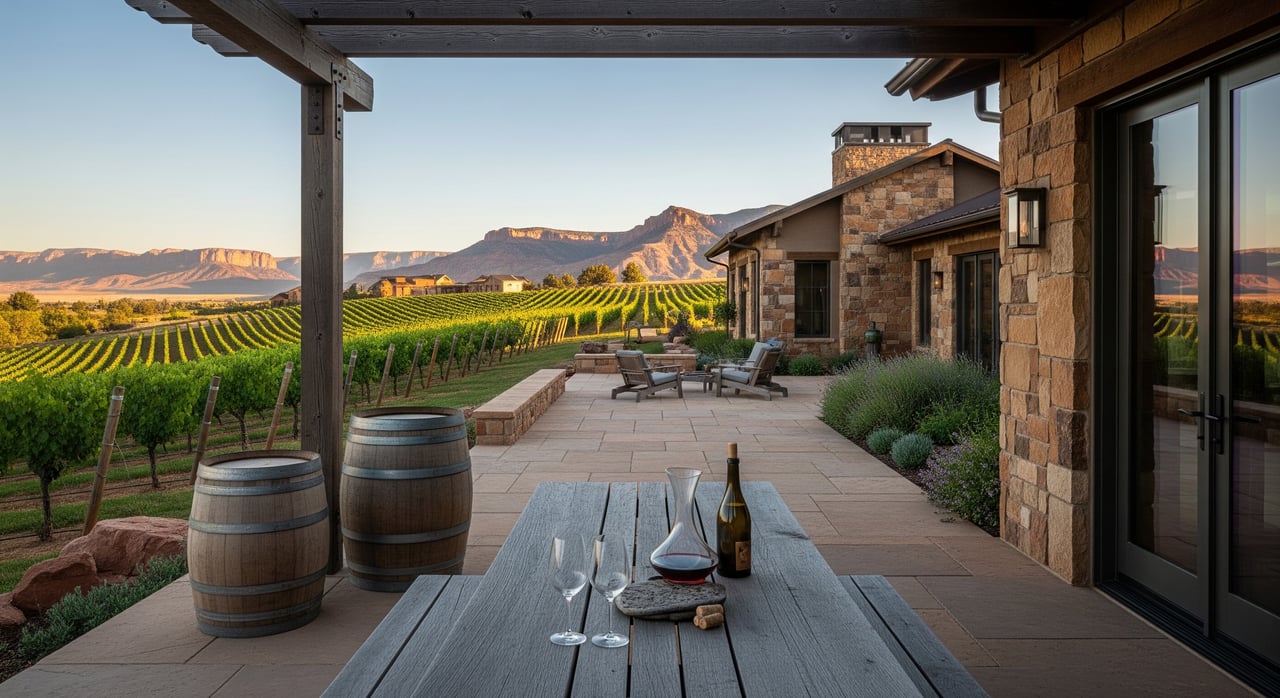
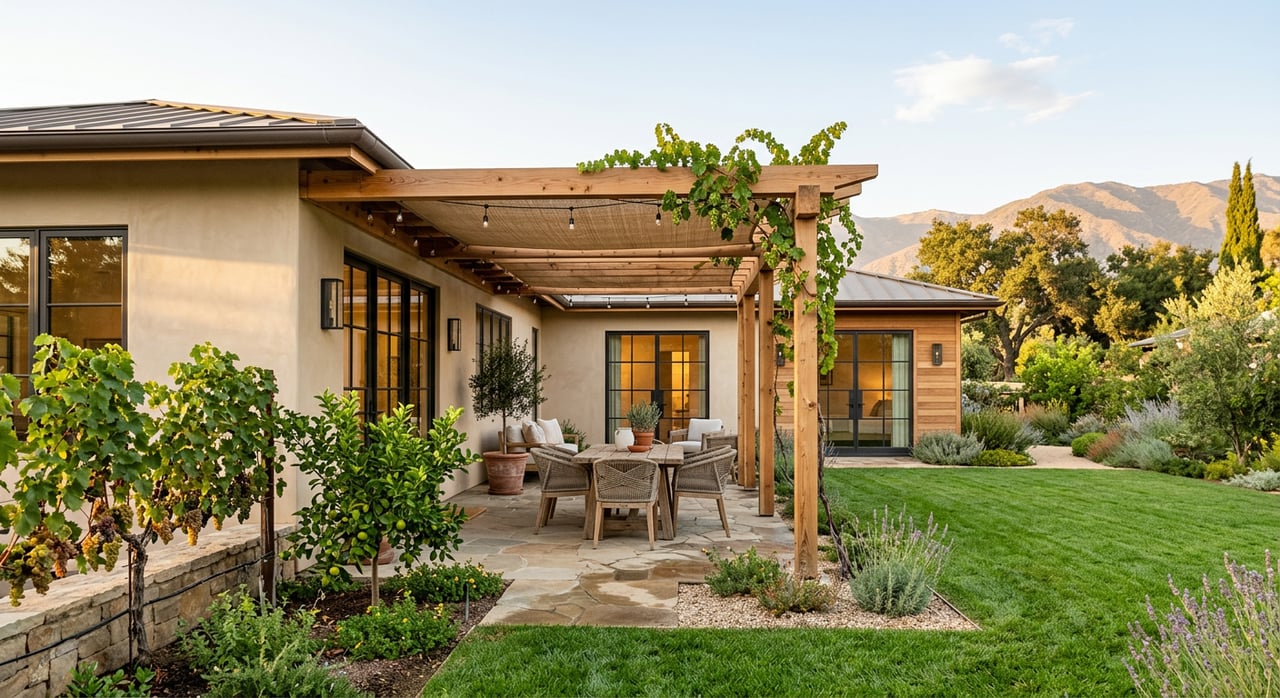
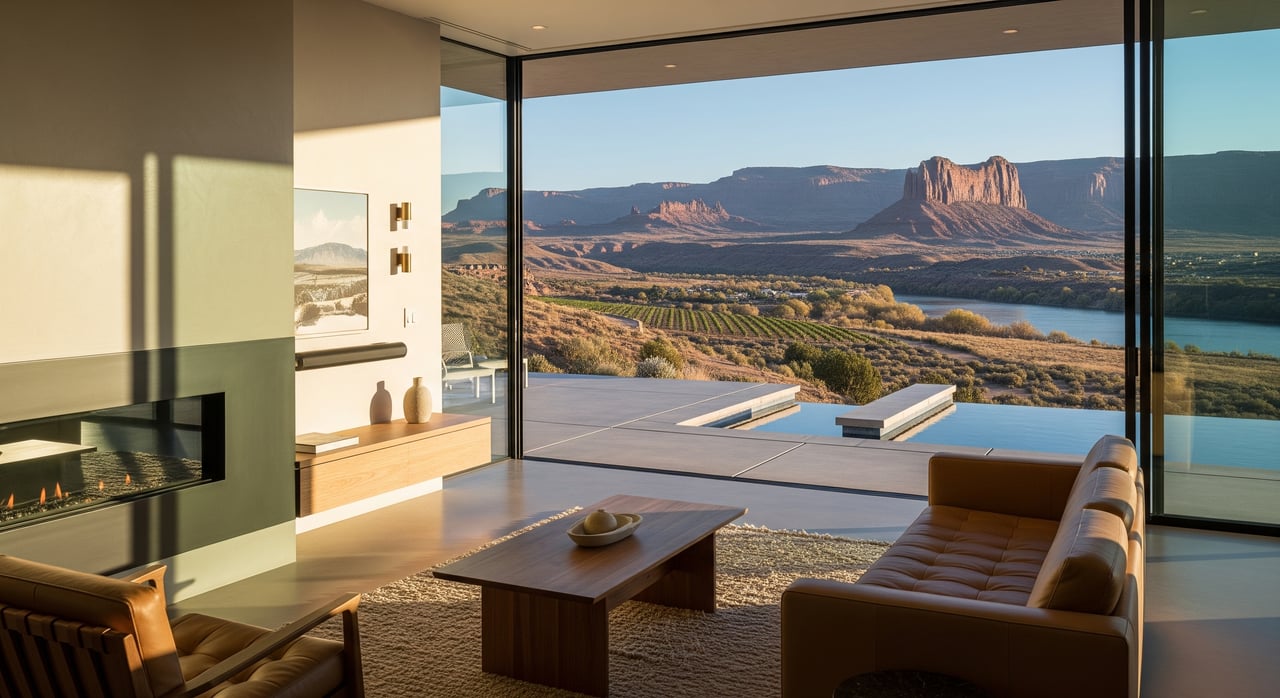
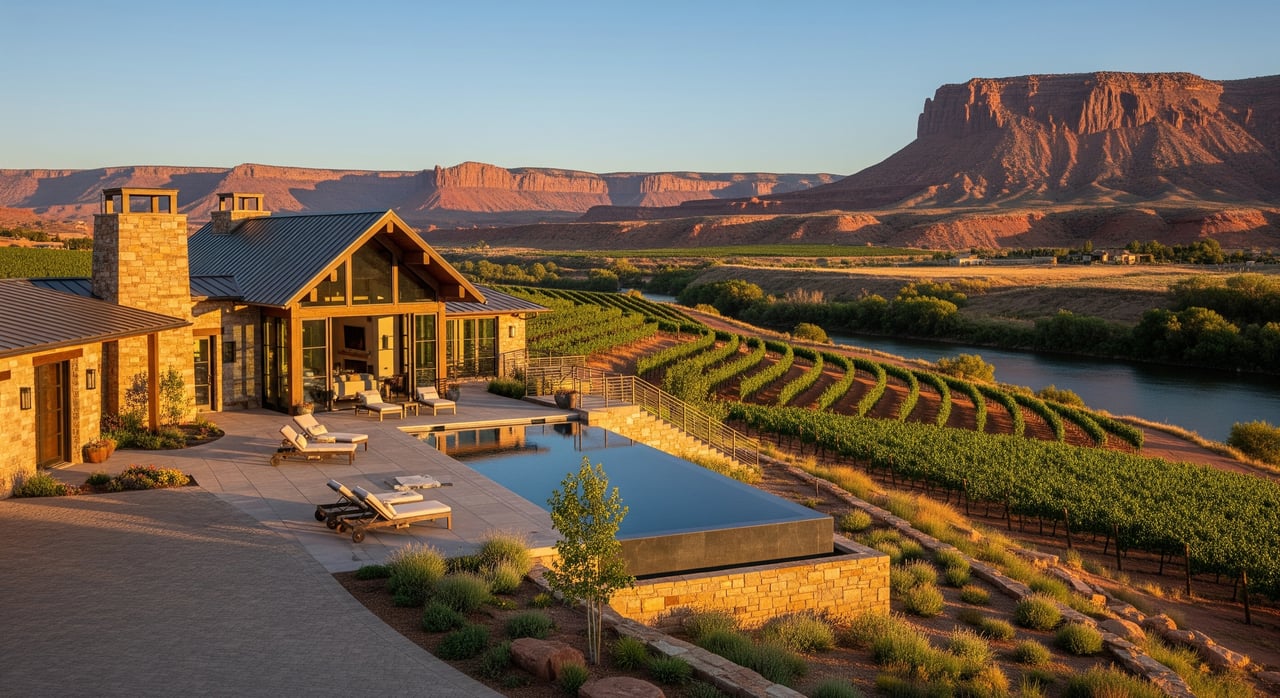
Picture morning light sweeping across vineyards as you sip coffee on a front porch, then a short stroll to tasting rooms and farm stands. That is daily life in Palisade if you plan well and buy the right property. Whether you want a home base, a lifestyle retreat, or a small investment that fits the wine and peach scene, understanding the market and the rules matters. This guide gives you a clear look at Palisade’s lifestyle, property types, investment angles, and the due diligence that keeps your plan on track. Let’s dive in.
Why Palisade stands out
Palisade sits on the Colorado River in Mesa County, about 10 to 15 miles east of Grand Junction. It anchors the Grand Valley wine region and is known for Palisade peaches, orchards, and tasting rooms clustered around a historic downtown core.
The Grand Valley is one of Colorado’s primary wine areas. The official Grand Valley American Viticultural Area describes the growing conditions that make this region special, including high desert elevation, irrigation, and large day-night temperature swings. You can read the formal AVA description on the Grand Valley AVA page from the TTB and explore winery resources at Colorado Wine.
Seasonal festivals and ag‑tourism create a vibrant rhythm. The Palisade Peach Festival and harvest events drive visitor traffic, local spending, and short-term lodging demand in late summer and fall. Year-round, the Palisade Area Chamber of Commerce highlights downtown businesses, tasting rooms, and community events.
Vineyard country lifestyle
Palisade’s vibe is small-town and hands-on. You get walkable streets, farm stands, bike routes between vineyards, and a calendar anchored by peaches and wine.
- Wineries and tasting rooms are woven through the community. Many operate in repurposed agricultural buildings or small retail spaces.
- Farm-to-table dining and local producers supply restaurants and markets. Outdoor recreation sits close by, with river access and trails in the surrounding mesas and canyons.
- Expect a quiet winter compared to the summer and harvest peaks. That seasonality is part of the charm and also a key input for investors.
Everyday living basics
Palisade is a small community within Mesa County. You will find primary services in town and broader options in nearby Grand Junction, the regional hub for healthcare, employment, and retail. For a quick snapshot of local demographics and household trends, check U.S. Census QuickFacts.
If you like a walkable core, the historic downtown provides cafes, tasting rooms, and small shops. If you prefer space, you can look at homes with larger lots or small acreage on the valley floor and surrounding benches.
What you can buy in Palisade
You will see a mix of residential, agricultural, and mixed-use options. Each comes with different ownership considerations.
- Historic downtown homes and cottages. These give you walkability to cafes and tasting rooms, plus strong lifestyle appeal.
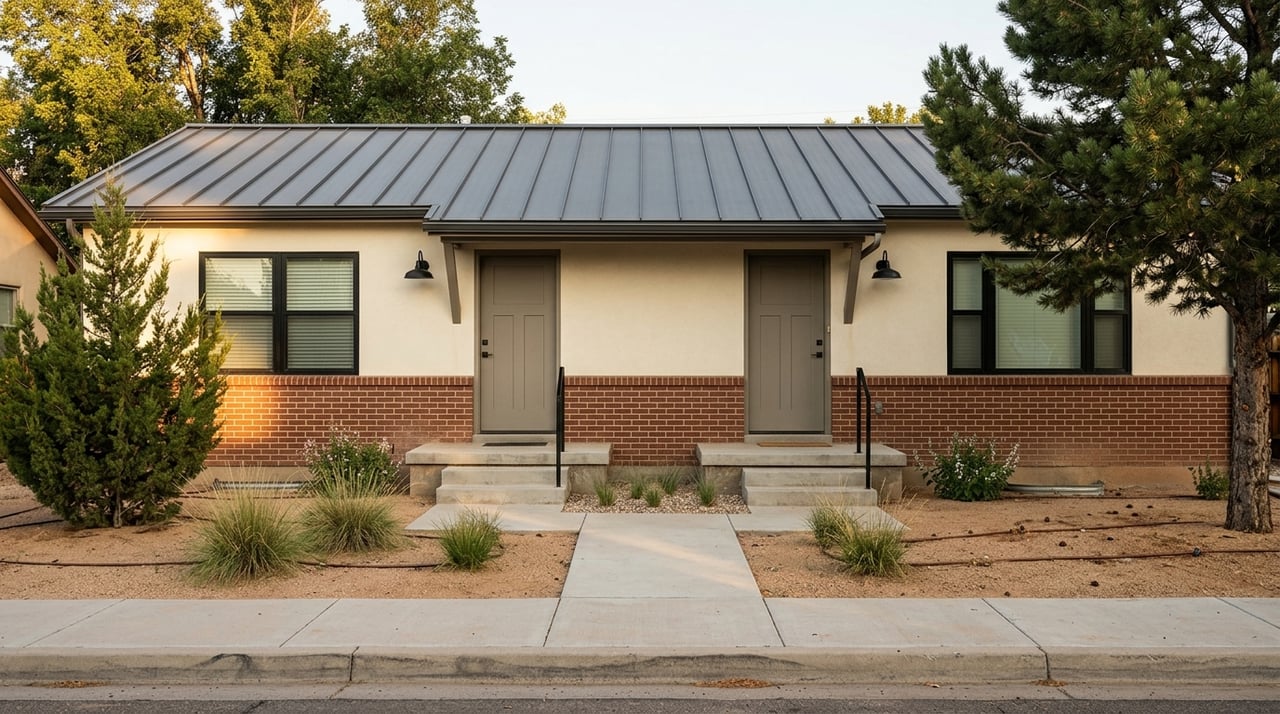
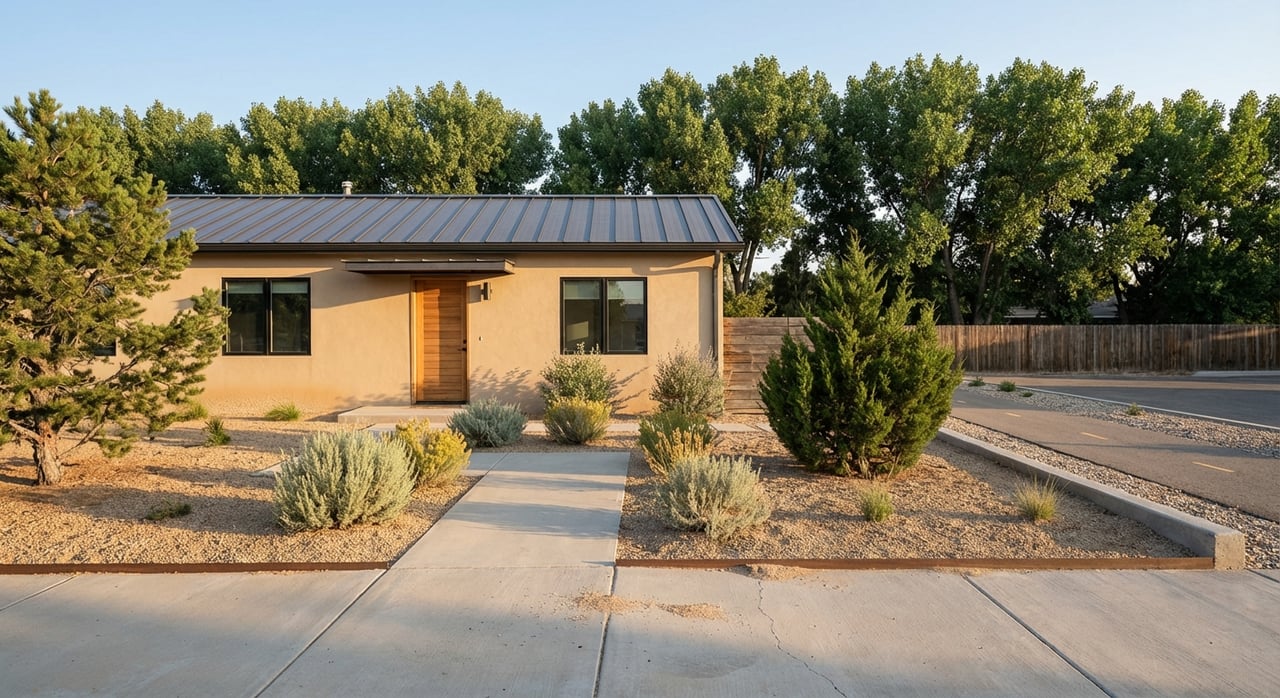
- Single-family homes on standard lots to small acreage. Properties range from suburban-style streets to rural settings with room for gardens or hobby projects.
- Agricultural parcels with irrigation. Orchards and vineyard acreage often include irrigation ditch agreements and, in some cases, distinct water rights. These factors affect both value and operating costs.
- Accessory units and conversions. Guest houses, barn conversions, and similar structures can provide rental income if allowed by local rules.
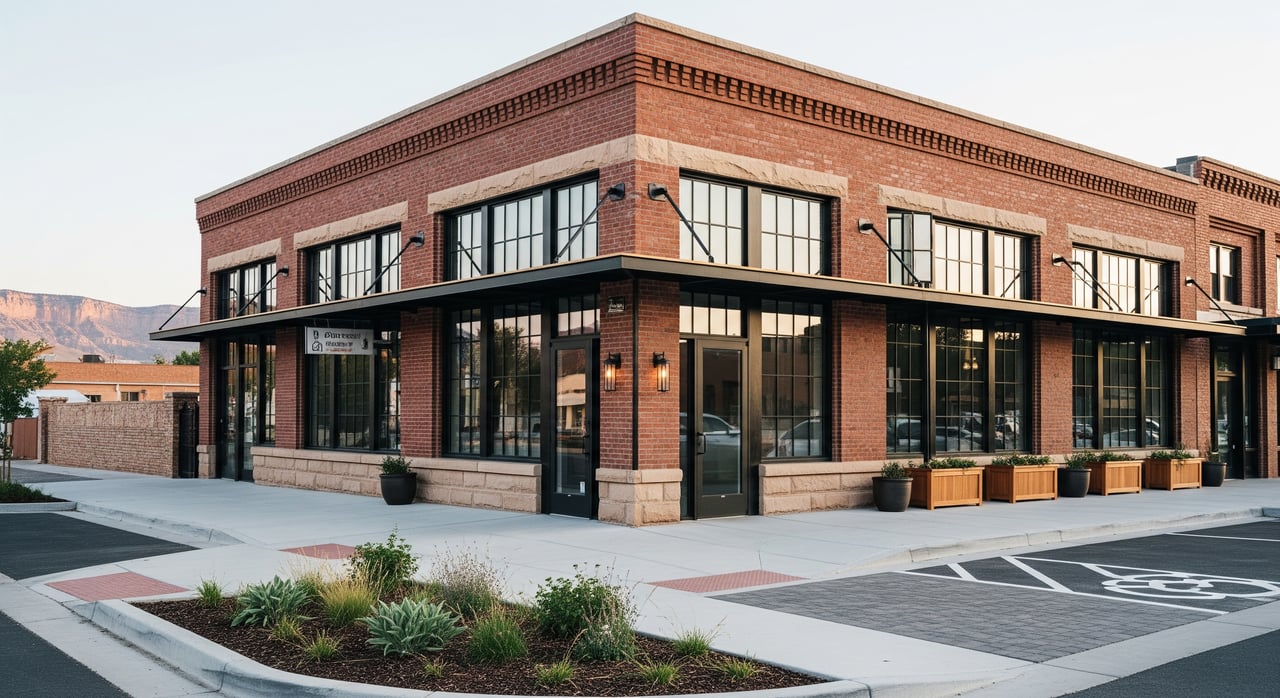
- Older downtown buildings suitable for mixed use. A ground-floor retail or tasting room with a residence above is possible with the right zoning and permits. Plan for more complex approvals and renovations.
For parcel records, zoning, assessed values, and land-use rules, start with the Mesa County government site and navigate to the Assessor and Planning pages.
Small investment strategies that fit
If you are looking for a smaller, lifestyle-aligned investment, Palisade offers several practical approaches.
- Long-term rental homes or accessory units. These can provide steadier occupancy and serve local workforce housing.
- Short-term rentals near downtown and tasting rooms. These can capture peak-season demand during festivals and harvest, with lower winter occupancy. Always confirm licensing, zoning, and occupancy standards before you underwrite.
- Buy-and-hold with modest improvements. Light updates to a walkable cottage or small acreage home can support future resale or part-time rental income.
- Hobby or small agricultural acreage. Partner with growers for orchard or vineyard leases, or plant your own if you have the expertise. Water, soil, and irrigation details are critical to success.
- Downtown mixed-use renovations. With the right approvals, a first-floor commercial space and a living unit above can create a unique income mix.
Key risks and constraints to model
Every market has tradeoffs. In Palisade, the big ones are known and manageable if you plan for them.
- Seasonality. Revenue and foot traffic concentrate in late summer and fall. Winter can be quieter.
- Regulatory change. Local governments may adjust short-term rental caps or licensing to protect community character. Underwrite downside cases.
- Water supply and irrigation. Western Colorado sits within the Colorado River Basin. Track long-term Colorado River Basin water supply discussions when you evaluate irrigated parcels.
- Wildfire and flood risk. Insurance availability and premiums vary. Review the FEMA National Risk Index for hazard context and get quotes early.
- Liquidity for specialized properties. Small vineyard or orchard parcels can have a narrower buyer pool and longer marketing times.
How to underwrite returns in Palisade
Build your pro forma with local data and a conservative seasonal model.
- Map revenue drivers by month. If you are considering short-term rentals, obtain occupancy and rate data from STR providers and local property managers. Expect stronger June to October performance and weaker winter months.
- Verify all operating costs. Include management, cleaning, utilities, licensing, and transient taxes for STRs. For agricultural parcels, include water and irrigation dues, maintenance, and any lease income or costs.
- Price insurance and risk. Obtain quotes for wildfire and flood coverage and plan for defensible-space improvements where applicable.
- Benchmark comps carefully. Palisade’s small sample sizes may require pulling comparable sales from nearby areas. Adjust for water rights, acreage, age, and walkability to downtown.
- Stress test. Run scenarios with lower occupancy, higher insurance, and regulatory changes. Make sure the property still meets your goals in a conservative case.
Due diligence checklist
Use this list to move from interest to confident execution.
- Confirm zoning, permitted uses, and setbacks with Mesa County Planning. Start at the Mesa County government site and navigate to Planning.
- Pull parcel records from the Assessor. Review acreage, tax classification, and any recorded easements.
- Verify water rights and irrigation. Identify ditch company agreements, delivery method, and monthly or annual costs.
- Check short-term rental rules. Confirm licensing, occupancy, parking, and any caps with the town and county. Rules can change.
- Assess wildfire and flood risk. Review maps, then obtain insurance quotes before finalizing price.
- For agricultural parcels, evaluate soils, irrigation infrastructure, crop history, and any lease terms with growers.
- Talk with local property managers. Get realistic rents, occupancy, and management fees for both long-term and STR scenarios.
Who this market serves
- Full-time residents who want a small-town base near Grand Junction services.
- Lifestyle buyers seeking vineyard-country living with room for guests or a small rental.
- Owner-occupiers and small business owners who value a walkable downtown location or a mixed-use setup.
- Investors who prefer tangible assets with clear seasonal patterns and conservative underwriting.
Next steps
If Palisade’s vineyard country fits your goals, bring a valuation-first approach and local market context to your search. The right plan aligns lifestyle, zoning, and revenue potential with conservative assumptions and clean due diligence.
When you are ready to evaluate options, request a valuation review and a step-by-step acquisition plan from the GSD Broker Team. You will get practical guidance that ties property selection to your lifestyle or investment targets.
FAQs
What makes Palisade different from nearby Grand Junction for buyers?
- Palisade centers on vineyards, orchards, and a walkable historic core, while Grand Junction provides the larger job base and regional services that many Palisade residents use.
How seasonal is Palisade tourism and what does that mean for rental income?
- Visitor traffic and STR demand peak in late summer and fall around peaches and harvest events, then ease in winter, so plan for concentrated revenue and slower off-season months.
What should I know about water rights and irrigation before buying acreage?
- Irrigated parcels often rely on ditch company agreements and specific water rights that affect usability, cost, and value, so verify them through county records and seller documents.
Are short-term rentals allowed in Palisade and Mesa County?
- STR rules depend on local licensing, zoning, and occupancy standards that can change, so confirm current requirements with the town and county before underwriting.
Which Palisade property types work for mixed-use or live-work setups?
- Older downtown buildings with appropriate zoning can support ground-floor commercial with a residence above, but expect more involved permitting and renovations.
What risks should investors model when buying in vineyard country?
- Model for seasonality, potential STR rule changes, insurance costs for wildfire and flood exposure, water supply pressures in the Colorado River Basin, and resale liquidity on specialized assets.