Pricing commercial land in Montrose can feel tricky. One buyer loves your highway frontage, another walks because sewer is 600 feet away. If you want a price that attracts real offers, you need to understand how utilities, frontage, zoning, entitlements and water rights shift value in this market. In this guide, you will learn what matters most, how to prepare your parcel, and when to request a Broker Opinion of Value. Let’s dive in.
What drives price in Montrose
Montrose sits at the heart of Western Colorado’s business corridor. Your land’s value depends on how well it matches local demand and how easy it is to build on.
Location and demand fundamentals
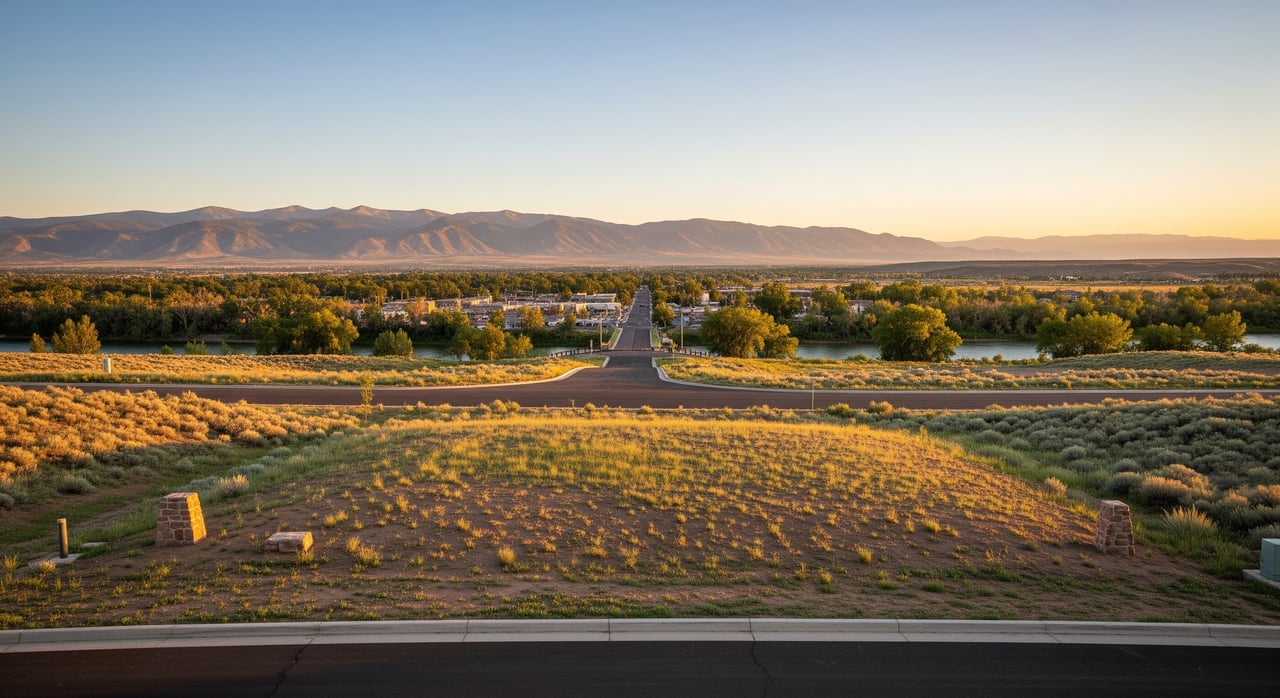
If your parcel is near US 50, downtown Montrose, industrial parks, the Montrose Regional Airport, or major employers, more buyers will likely call. Retail and service users want visibility and traffic. Light industrial and construction services want truck access and quick routes. Tourism and recreation activity tied to the Uncompahgre Valley also supports demand for hospitality and service uses. Population and employment trends in the county shape developer interest and absorption, which feeds into pricing.
Utilities: what buyers pay for
Utilities and capacity are often the biggest swing factor in land price.
- Water and sewer availability. Parcels with immediate municipal water and sewer are more valuable because costs and timelines are lower. If mains need extension or a lift station, buyers discount to cover that cost.
- Capacity and fees. System development and impact fees add to a project budget. If capacity is constrained, density and timing may be affected.
- Power, gas and telecom. Nearby electric and natural gas distribution lowers development risk. Fiber and telecom access can help certain users.
- Septic and well feasibility. Outside municipal service, you will need soil perc tests and well permits. Septic fields can reduce the usable building area and increase cost.
- Who pays more. Spec developers and national investors usually pay premiums for fully served sites. Owner‑users or agricultural buyers may accept off‑grid conditions at lower prices.
Frontage and access impact
Frontage quality and access rights shape both usability and price.
- Highway vs. local street frontage. Highway or high‑traffic frontage supports retail and hospitality because exposure can lift rental rates. Industrial users value truck access and turning radii near major routes.
- Access approvals. Curb cuts, deceleration lanes and access management rules affect how well the frontage works. Required improvements add cost and time.
- Practical takeaway. High‑exposure frontage tends to draw more retail/service buyers. Low‑exposure or back‑lot sites may suit owner‑occupants, storage, or lower‑demand uses.
Zoning and entitlements
Zoning sets your use and density. Entitlements lower risk for buyers and shorten timelines.
- Current zoning. Parcels already zoned for the intended commercial or industrial use are worth more than those needing rezoning.
- Entitlements reduce uncertainty. Approved plats, site plans and permits increase the buyer pool and typically support higher pricing.
- Rezoning likelihood. Alignment with the comprehensive plan, neighborhood input, and infrastructure policies drive outcomes. If your plan fits the map and the infrastructure, the odds improve.
- Typical approvals. In Montrose you may see annexation, zoning change, subdivision, site plan or conditional use, stormwater and building permits, and utility service agreements. Timelines range from weeks for a simple site plan to 6–12 months or more for complex subdivision or annexation. Application fees, traffic studies, engineering, and required public improvements add cost.
Colorado water rights
In Colorado, land and water are separate. Water rights can make or break development feasibility.
- Document the source. Confirm adjudicated surface rights or well rights, ditch company records, and any augmentation plans. If you rely on municipal service, confirm availability and capacity.
- Why it matters. Users with meaningful potable or process water needs will require a clear, documented supply. Lack of rights or unclear supply often reduces buyer interest and price.
Environmental and site constraints
Site conditions affect the buildable area and the budget.
- Physical factors. Acreage, topography, soils, and frontage type all matter. Steep slopes, poor soils or odd configurations can limit layout.
- Environmental factors. Floodplain, wetlands, endangered species habitat, and past mining or oil and gas activity may require mitigation. Many buyers require a Phase I Environmental Site Assessment, and unfavorable findings lead to price reductions or longer closings.
Who will buy your land
Different buyers value different things. Knowing the likely buyer pool helps you price and market effectively.
- Local and regional developers. Prioritize utilities, entitlements and access for retail, office and light industrial.
- National or institutional investors. Prefer fully entitled sites with clear title and low environmental risk.
- Owner‑users. Seek functional layouts, access and proximity to customers or suppliers. They may tolerate fewer entitlements if they control timing.
- Agricultural and acreage buyers. Focus on water rights, soil and irrigation.
- Renewable or specialty users. Look for flat, contiguous acreage with feasible grid interconnection.
How to price: valuation methods
Commercial land is typically priced using market and development logic.
- Sales comparison approach. Compare recent land sales with similar size, zoning, utilities, frontage, topography and entitlements. In Montrose, specialized sites may have limited comps, so adjustments need careful explanation.
- Cost approach. Estimate the cost to ready the site by considering infrastructure and improvements. This is useful when off‑site costs are material.
- Income or residual land value. For projects with known rents or sales pricing, model the finished project, subtract costs and developer profit, and solve for land value. Ground leases can also support direct capitalization.
- Broker Opinion of Value (BOV). A local broker’s market estimate that blends comps, market knowledge and due diligence. It is practical for pre‑listing decisions but is not a formal appraisal.
Setting your list price
Adjust your price for what a buyer must solve after closing.
- Off‑site utility extensions and required public improvements.
- Entitlement risk and expected time to approvals.
- Utility connection and system development fees.
- Environmental mitigation, drainage, or geotechnical work.
- Market absorption and scarcity of comparable sales. With fewer comps, use wider ranges and explain your assumptions in your marketing package.
Pre‑listing data checklist
Gathering documents upfront reduces surprises and builds buyer confidence. Use this checklist before you call a broker or appraiser.
Property identity and legal
- Current deed and legal description
- Parcel number(s) and plat maps
- Title report or preliminary title with exceptions
- Mineral rights status
Surveys and maps
- Recent boundary or ALTA/NSPS survey
- Topographic survey and any site plan
- FEMA flood map determination and FIRM panel
Zoning and planning
- Current zoning district and code summary
- Comprehensive plan designation
- Any approved plats, site plans, or conditional use permits
- Pending applications and staff reports
Utilities and infrastructure
- Water source details and sewer availability with connection points and capacity
- Electric and gas availability and nearest line distances
- Utility bills if applicable and provider contacts
- Impact fees, connection fees, service agreements, and any capacity reservations
Environmental and geotechnical
- Phase I ESA and Phase II if completed
- Known contamination or remediation records
- Soil or perc tests and geotechnical reports
- Wetlands delineations and related correspondence
Entitlements and permits
- Copies of permits, plans and entitlements
- Prior approvals, variances or compliance letters
- Correspondence with planning staff
Access and easements
- Road frontage dimensions and road classification
- Recorded easements, rights‑of‑way and access agreements
- Traffic counts if available and any required traffic study
Water rights
- Documentation of surface or groundwater rights and decree numbers
- Ditch company records and historical use
- Augmentation plans or water court files
Financial and tax
- Current property tax bill and assessment history
- Special district or pending assessments
- Existing leases or income‑producing easements
Market and comps
- Recent offers or sales attempts
- Prior marketing materials
Other
- Mineral lease history
- Photos of property and area
- HOA documents or covenants if present
Entitlements in Montrose: city vs. county
Jurisdiction matters for rules and timelines.
- Inside City of Montrose. City planning, zoning and municipal utility rules apply. Typical approvals include zoning checks, site plan review, subdivision plats, building permits, and utility service agreements. Public improvements may be required.
- In Montrose County. County land use codes govern. Expect land use permits, subdivision approvals, conditional use permits, and road access approvals. Septic and well permitting coordination is common.
- Annexation. Annexation into the city is sometimes needed to access municipal utilities. This adds time and cost.
- Best practice. Schedule a pre‑application meeting with the relevant planning staff. Early engineering and traffic studies help define costs and shorten the path to approvals.
When to get a BOV vs. an appraisal
- Start with a BOV. For initial pricing, market checks and pre‑listing strategy, a local BOV is fast and practical. With complete documents, many brokers can deliver in 1 to 2 weeks. Fees vary by depth and circumstances.
- Escalate to an appraisal. If financing requires it, if the property is complex or environmentally encumbered, or if legal issues or scarce comps are present, a formal appraisal by a licensed appraiser is appropriate.
A simple roadmap
- Confirm utilities, access and zoning in writing.
- Gather the checklist items and highlight anything that saves a buyer time or cost.
- Identify your most likely buyer pool and their priorities.
- Request a market‑based BOV to set a realistic price range.
- Decide whether to pursue entitlements before listing to expand your buyer pool and support a higher ask.
If you want a price that holds through due diligence, focus on reducing uncertainty. Entitlements, documented utilities and clean environmental reports tend to command better offers and faster timelines.
Ready to price your Montrose land with confidence? Get a valuation‑driven plan and a clear BOV from a local team that understands Western Colorado buyers. Contact the GSD Broker Team to get started.
FAQs
What affects commercial land price in Montrose most?
- Utilities and capacity, frontage and access, current zoning and entitlements, Colorado water rights, and environmental or site constraints typically have the biggest impact.
How do utilities change my land’s value?
- Immediate municipal water and sewer access usually supports a higher price, while required line extensions, lift stations or capacity constraints lead buyers to discount.
Is annexation required to access city utilities?
- It depends on location and service policies. Some commercial projects outside city limits pursue annexation to secure municipal utilities, which adds time and costs.
Should I rezone or entitle before listing?
- If your intended use aligns with the comprehensive plan and infrastructure, securing rezoning or site plan approval can widen the buyer pool and support a higher price.
Do water rights come with the land in Colorado?
- Not automatically. Water rights are separate from land. Verify adjudicated rights, ditch records and any augmentation plans to avoid surprises.
When is a BOV enough versus a formal appraisal?
- Use a BOV for initial pricing and market testing. Get a formal appraisal when lender financing, complex conditions, or scarce comps require a certified opinion.
What paperwork should I gather before I call a broker?
- Start with deed and legal, surveys, zoning and comp plan info, utility availability, environmental and geotech reports, water rights documents, access and easements, and tax records.